Destinations
Ngorongoro Crater
A collapsed volcano holding a world of its own
Size
Crater floor 260 km², within an 8,300 km² conservation area
Best time
Year-round; June–October for dry, clear mornings
Getting there
3 hrs by road from Arusha; usually combined with Serengeti or Tarangire
How long to stay
One or two nights on the rim, with a full morning descent
The place
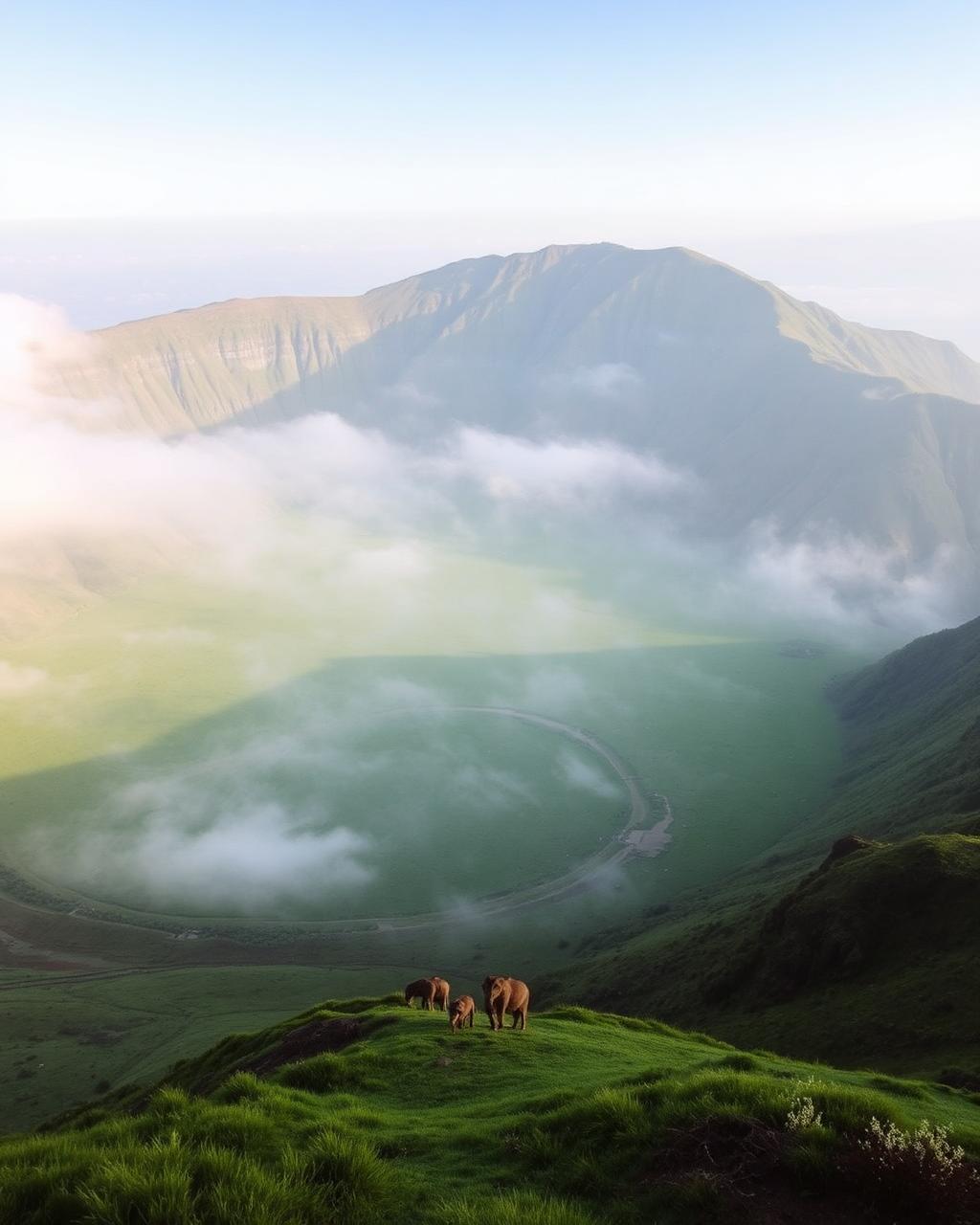
The Ngorongoro Crater is the largest intact volcanic caldera on earth — six hundred metres deep, twenty kilometres across, and home to around 25,000 large animals that mostly never leave. Descending the rim road at dawn, with mist lifting off the crater floor, is one of the great arrival moments in African travel.
A day on the crater floor
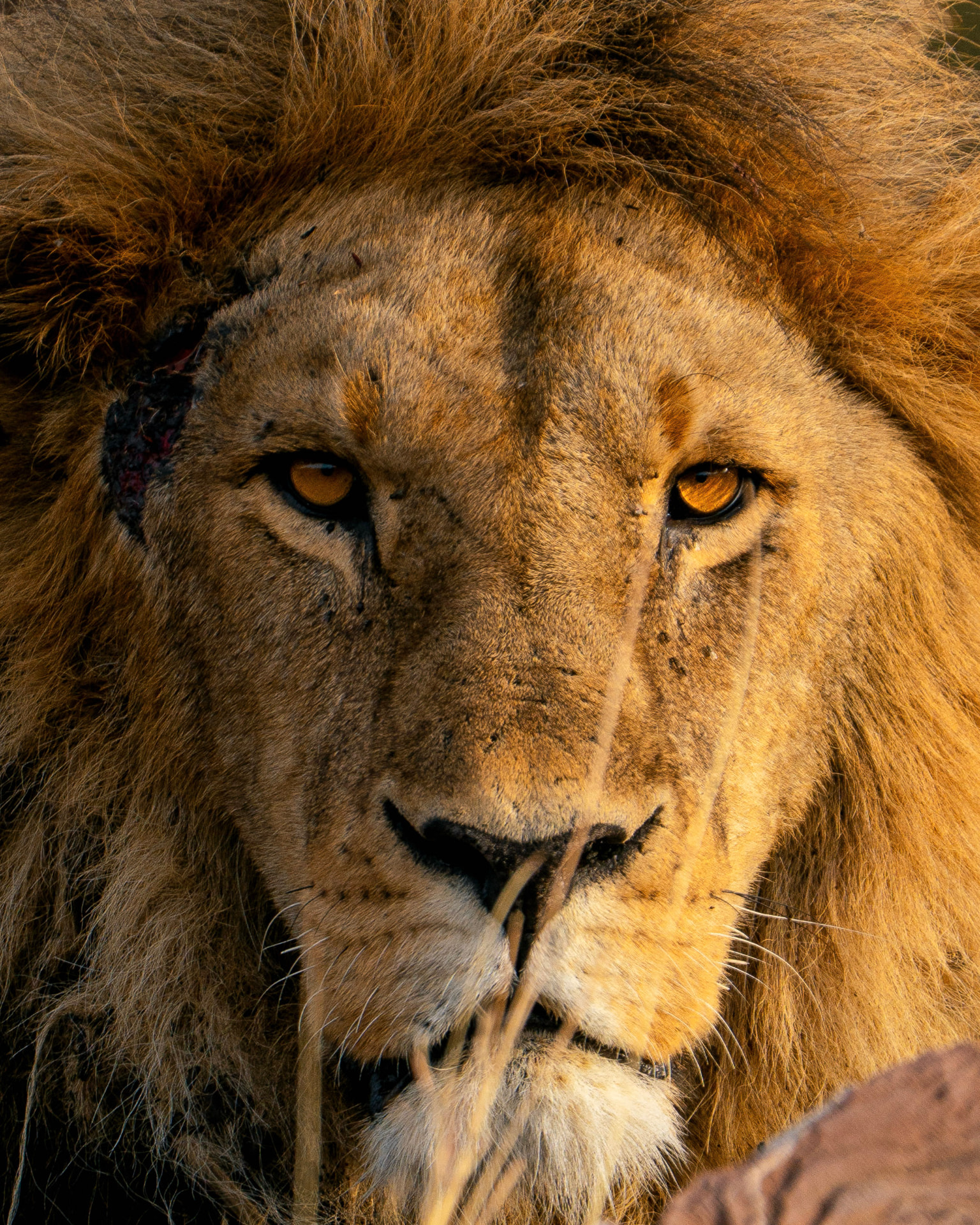
Vehicles descend from around 6am and the first hours are the best — lion on the Lerai track, elephant bulls with heavy tusks in the fever trees, flamingo on Lake Magadi. By midday it grows busier, so we plan an early descent, a long unhurried morning and a picnic before climbing out.
Black rhino
Ngorongoro is the most reliable place in Tanzania to see black rhino. They are usually distant on the Gorigor swamp edge, so good binoculars and a patient guide matter far more than luck.
Beyond the crater
The wider conservation area is Maasai land, shared between people and wildlife. Empakaai and Olmoti craters offer real walking, Olduvai Gorge holds the story of human origins, and the highlands are green and cool all year.
Highlights
What people remember
Black rhino sightings
One of East Africa's last strongholds for a critically endangered species.
Big tuskers
Old bull elephants with tusks rarely seen elsewhere in Tanzania.
Empakaai walk
A forested descent to a flamingo-covered crater lake with Ol Doinyo Lengai on the horizon.
Olduvai Gorge
The Leakey excavations and a small, well-curated museum of early human history.
Suggested journeys