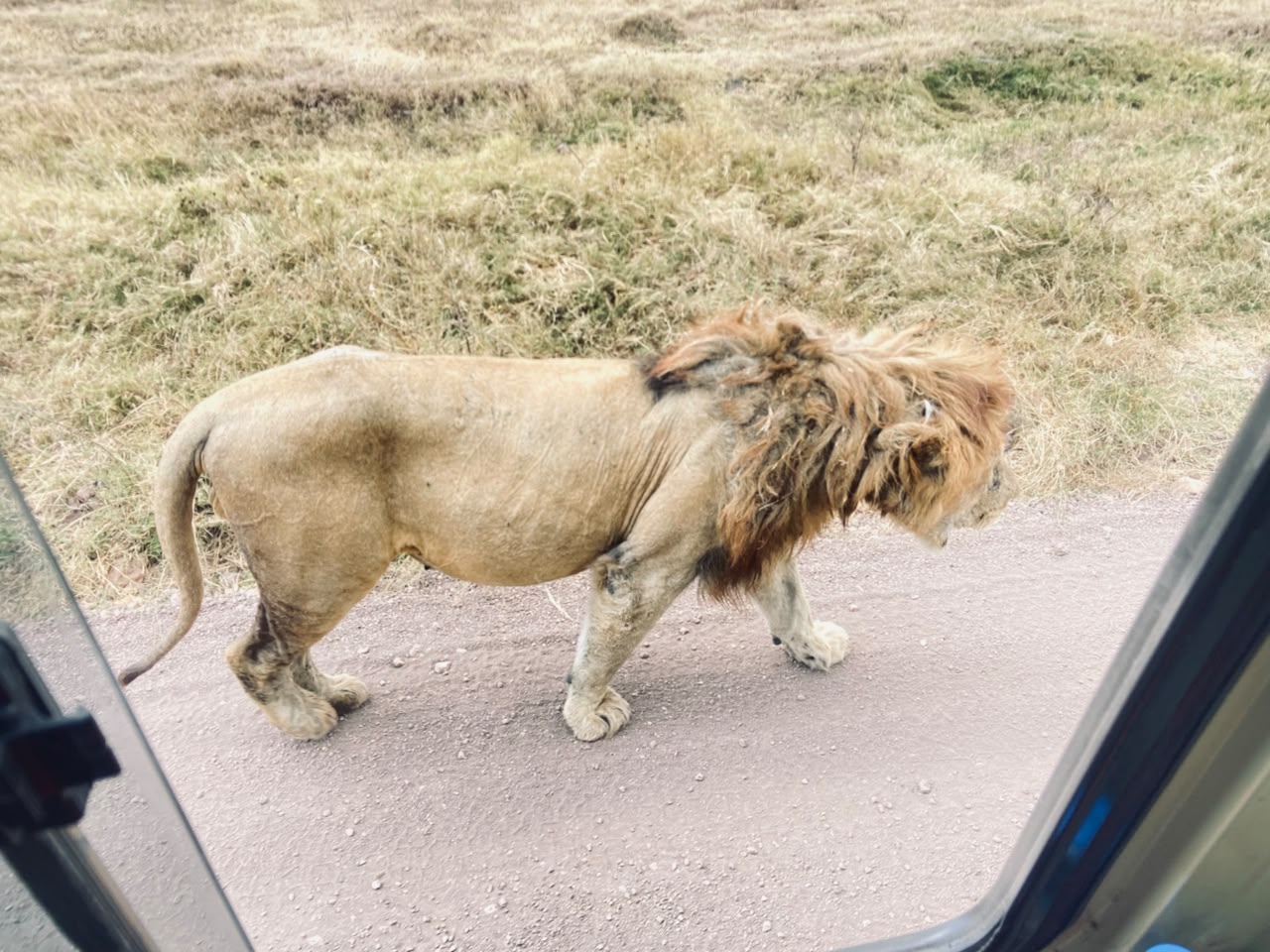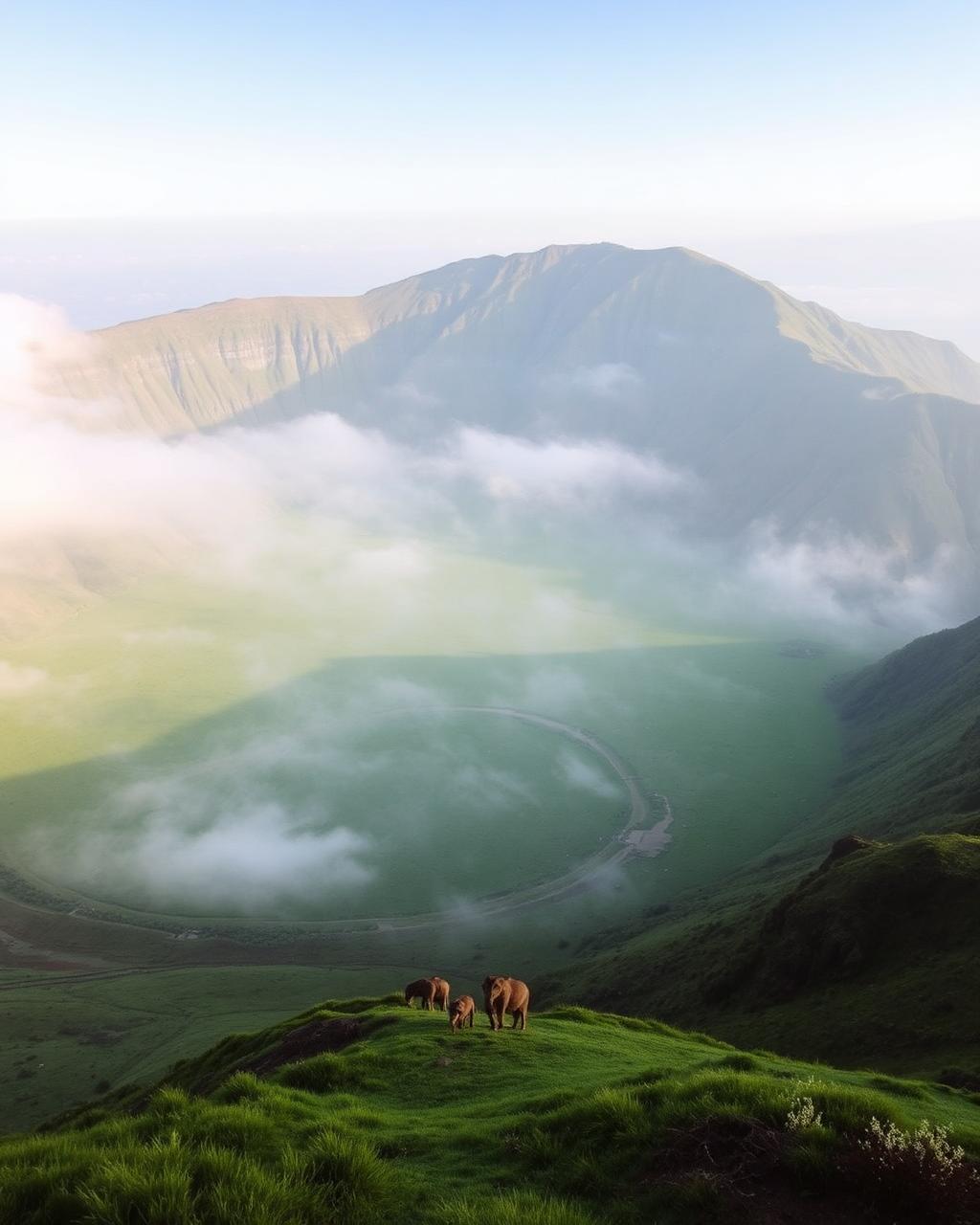
Ngorongoro is a collapsed volcanic caldera holding a permanent, self-contained ecosystem — around 25,000 large animals inside 260 square kilometres.
Time your descent
We aim to be at the descent road as it opens, when the floor is quiet and light is soft. By late morning the central area gets busy, so we shift to the quieter Lerai forest and hippo pools.
What you are likely to see
Lion, elephant, buffalo, hyena and huge herds of zebra and wildebeest are near-certain. The crater is also one of the last reliable places in Tanzania to see black rhino.
How long to stay
One full crater day is usually enough. We pair it with a night on the rim so you can start early without a pre-dawn drive.
Tailor-Made Tanzania
Start Planning This Journey
Tell us your dates and who is travelling — a safari consultant will reply within 24 hours with a day-by-day plan inspired by this guide.
Inspired by: Ngorongoro Crater: a one-day wildlife wonder