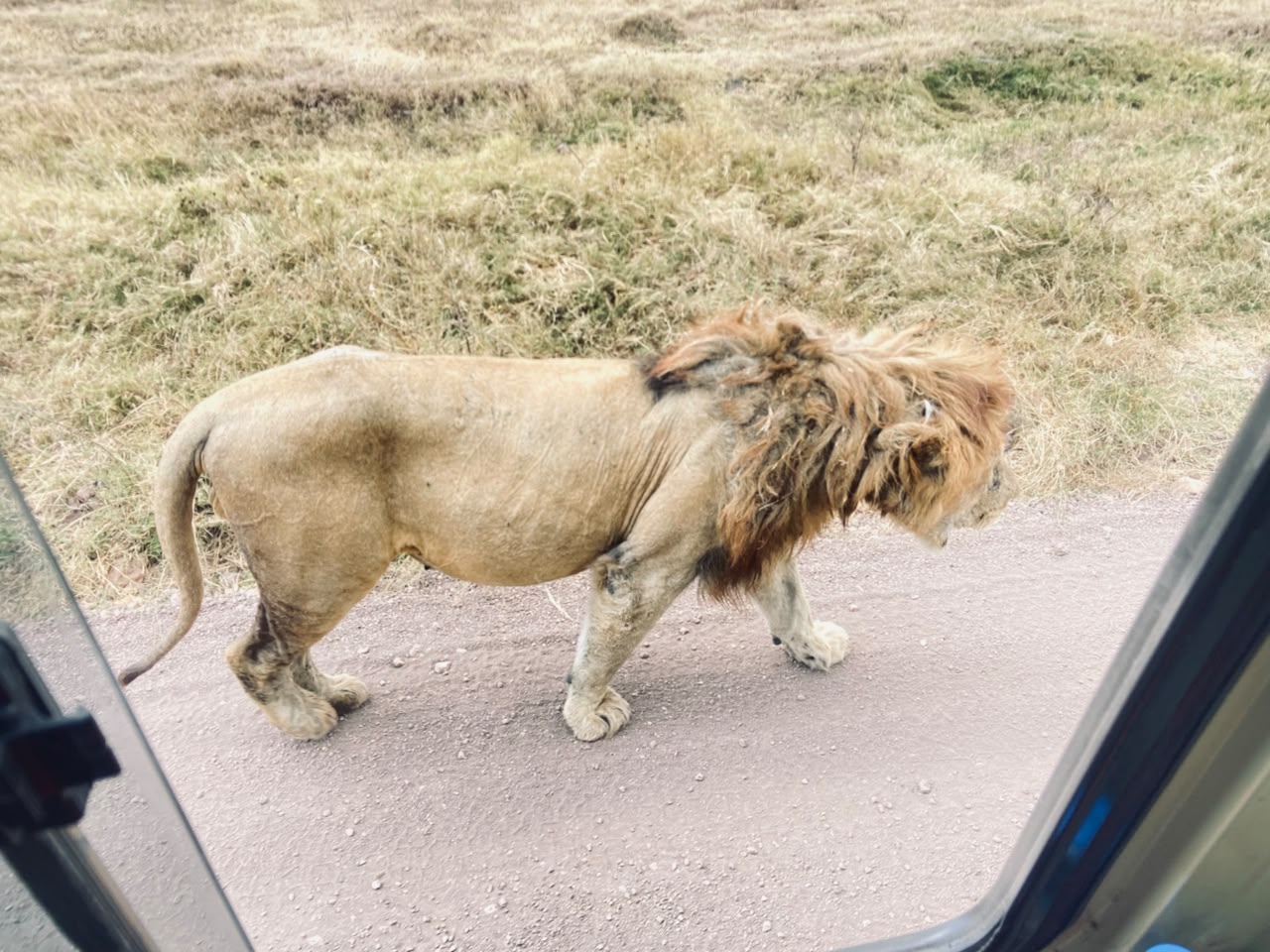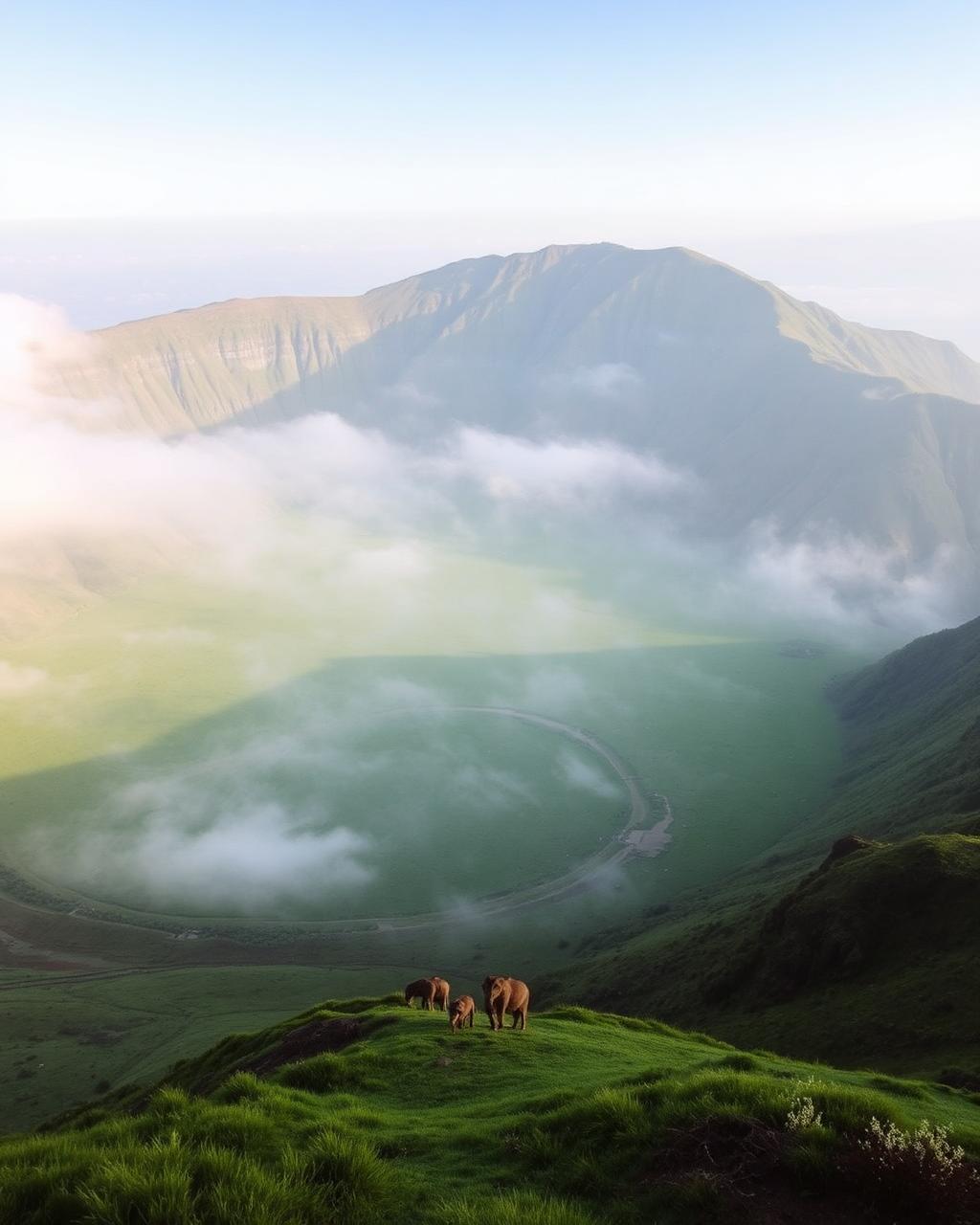
Travellers often ask us to pick one. In practice the two areas answer different questions: the Ngorongoro Crater gives you concentrated, near-guaranteed wildlife in a single day, while the Serengeti gives you space, movement and the chance for the sightings you remember for life.
Ngorongoro Crater — density in a bowl
The crater is a collapsed caldera roughly twenty kilometres wide holding a resident population of lion, elephant, buffalo, hippo and one of Tanzania's better chances of seeing black rhino. Because the animals largely stay put, a single full day delivers a remarkable species list.
The trade-off is company. On peak mornings the crater floor holds many vehicles, and drive routes are fixed.
Serengeti — scale and story
The Serengeti is vast enough to feel private. Different regions perform at different times of year: Ndutu in the south for calving, the Seronera valley year-round for big cats, the west for the Grumeti and the north for the Mara River.
Two nights is the minimum that makes sense; three to four transforms the experience.
Time, cost and access
Ngorongoro fits neatly onto the route between Arusha and the Serengeti, which is why it appears in almost every northern-circuit itinerary. The Serengeti needs either a longer drive or a short flight, and rewards the extra effort with far better big-cat and migration viewing.
- One full day is enough for the Ngorongoro Crater
- Two to four nights is the right dose for the Serengeti
- Together they form the backbone of a four to seven day northern circuit
Our honest recommendation
If you have three days or fewer, prioritise Ngorongoro with Tarangire. With four days or more, put the Serengeti at the centre of the trip and use the crater as the finale on the way back to Arusha.
Tailor-Made Tanzania
Start Planning This Journey
Tell us your dates and who is travelling — a safari consultant will reply within 24 hours with a day-by-day plan inspired by this guide.
Inspired by: Serengeti vs Ngorongoro: which should you choose?