The weeks before a safari should feel exciting, not stressful. This guide gathers everything we tell our own guests before they fly: what to pack (and what to leave behind), how to look after your health, how the travel days work, and what life on safari actually feels like — so you arrive in Tanzania already relaxed.
Packing — less than you think, softer than you expect
The golden rule is a soft duffel bag, not a hard suitcase. Light aircraft on fly-in safaris have strict luggage limits (usually 15–20 kg including hand luggage, in soft bags), and even on driving safaris a soft bag is simply easier for everyone.
Think in layers rather than outfits. Mornings on the plains can be genuinely cold — you will want a fleece or light jacket at 6 a.m. — while midday is warm and bright. Neutral colours (khaki, olive, brown, grey) keep you comfortable and blend into the bush; avoid bright white, dark blue and black, which attract tsetse flies in some areas.
Most camps and lodges offer laundry, often included, so three or four days of clothing is enough even for a longer journey.
- Soft duffel bag, 15–20 kg if flying between parks
- Neutral-coloured layers: fleece for mornings, light shirts for midday
- Comfortable closed shoes you can walk in — no need for heavy boots on a vehicle safari
- Sun hat, sunglasses, sunscreen and lip balm — the equatorial sun is strong even when the air is cool
- Binoculars (one pair per person if you can — you will not want to share)
- Camera, spare batteries and memory cards; charging is available in camps but vehicles have limited sockets
- Any personal medication in your hand luggage, plus a small first-aid kit
- A reusable water bottle — we provide filtered water throughout
Health and safety — simple preparation, then relax
See your doctor or a travel clinic four to six weeks before departure. They will advise on vaccinations and malaria prevention for your specific itinerary — most safari areas of northern Tanzania are malaria zones, so a preventive course is usually recommended alongside the basics: long sleeves in the evening and repellent at dusk.
Yellow fever vaccination is only required if you are arriving from a country where yellow fever is present, but rules change, so confirm before you travel. Travel insurance that covers medical evacuation is essential — not because safaris are dangerous, but because remote places deserve serious backup.
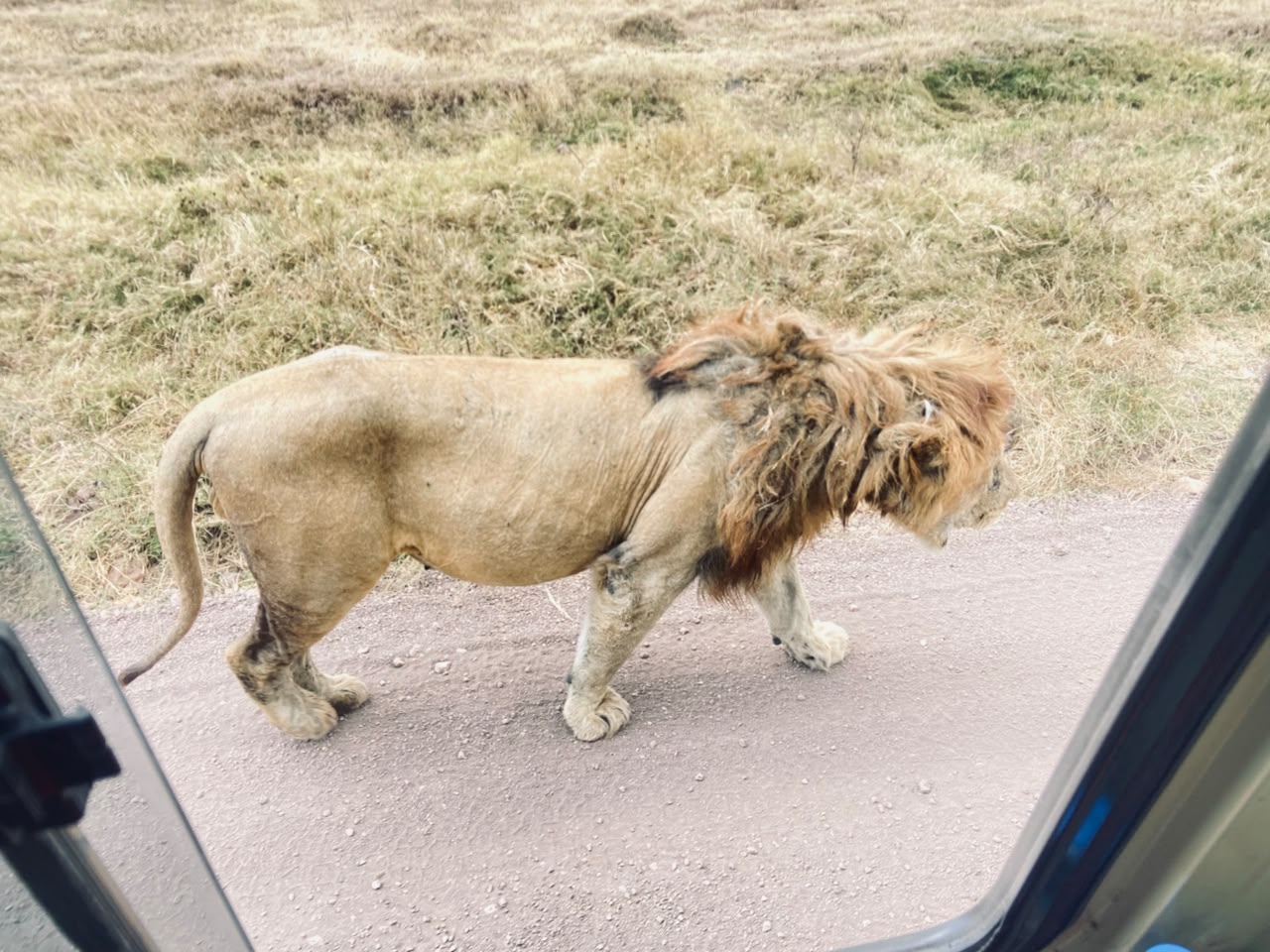
On safari itself, safety is mostly about listening to your guide. Wildlife is wild: you stay in the vehicle unless your guide says otherwise, you never walk alone at night in camp, and you keep a respectful distance from animals. Our guides do this every day of their lives — following their lead is what keeps safari both thrilling and completely safe.
- Travel clinic visit 4–6 weeks before departure
- Malaria prevention: medication plus evening cover and repellent
- Travel insurance with medical evacuation cover
- Drink the filtered water we provide, not tap water
- Always follow your guide's instructions around wildlife
Getting here — flights, visas and the first night
Most guests fly into Kilimanjaro International Airport (JRO), between Arusha and Moshi. If your journey starts or ends in Zanzibar, we arrange the short domestic flight between Zanzibar and Arusha for you — it is part of the itinerary, not something you need to solve yourself.
Most nationalities need a Tanzanian visa, which is easiest to arrange online before travel through the official e-visa portal. Apply at least two weeks ahead. Your passport should be valid for at least six months beyond your travel dates, with a blank page for the visa.
We always recommend arriving with a gentle first night in Arusha rather than rushing straight into the bush. A good sleep, a slow breakfast, and then you begin — safari is better when you are not recovering from a flight.
- Fly into Kilimanjaro International (JRO); we meet you at arrivals
- Zanzibar connections arranged by us as part of your journey
- Apply for the e-visa online at least two weeks before travel
- Passport valid 6+ months with a blank page
- Plan a restful first night in Arusha before the safari begins
What a day on safari actually feels like
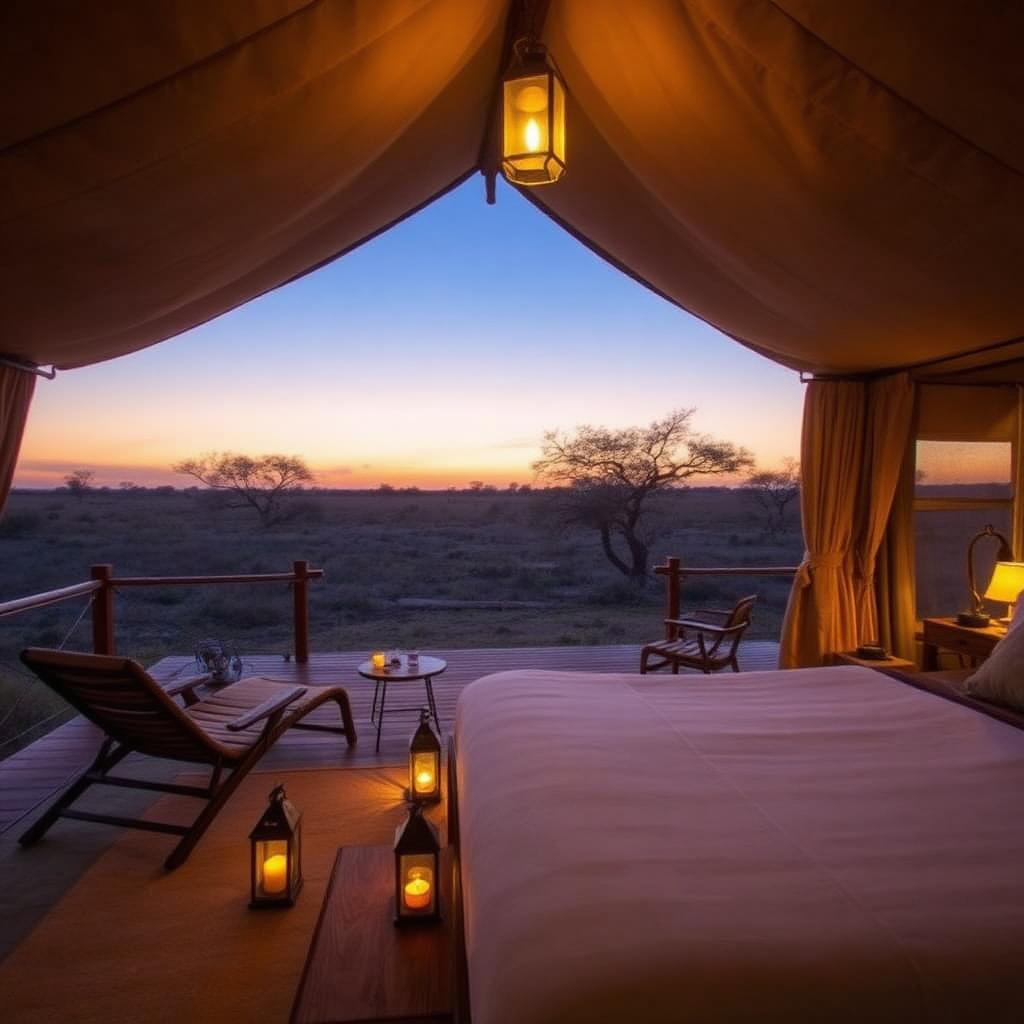
Days begin early, because the bush does. You wake to coffee brought to your tent or room, and you are out as the light turns gold — this is when predators finish their night and the plains are most alive. By late morning you return to camp for a proper breakfast or brunch, and the hot middle hours are yours: a nap, a book, a swim, or simply watching the waterhole from the shade.
Late afternoon brings the second drive, when the light softens and animals move again. You pause for sundowners — a drink in a beautiful place as the sun sets — and return to camp for dinner under a sky full of stars. It is a rhythm that feels ancient within two days, and most guests tell us it is the deepest rest they have had in years.
Nothing is rushed. If lions appear, we stay. If you want to sit with a herd of elephants for an hour, we sit. Your guide reads the day with you, not for you.
Money, tipping and staying connected
US dollars (clean, recent notes) are widely accepted, and Tanzanian shillings are useful for small purchases. Cards work at larger lodges but not everywhere, so carry some cash for tips and souvenirs.
Tipping is customary and deeply appreciated: as a guide, around $15–25 per guest per day for your safari guide, and a shared staff tip box at camps of around $10–15 per guest per day. It is always your choice, but it means a great deal to the teams who look after you.
Most camps have Wi-Fi in the main area, and phone signal comes and goes in the parks. Our honest advice: tell people you will be hard to reach, and let the bush do its work. It is one of the last places on earth where switching off still feels natural.
Travelling with children, dietary needs and special requests
Safaris are wonderful for families, and we shape the pace around your children — shorter drives, camps with pools, and guides who love answering endless questions. Dietary needs, anniversaries, birthdays and quiet surprises are all part of what we plan: just tell us in the quote form or by message, and we take care of the rest.
Tailor-Made Tanzania
Start Planning This Journey
Tell us your dates and who is travelling — a safari consultant will reply within 24 hours with a day-by-day plan inspired by this guide.
Inspired by: Preparing for your Tanzania safari: the complete pre-trip guide