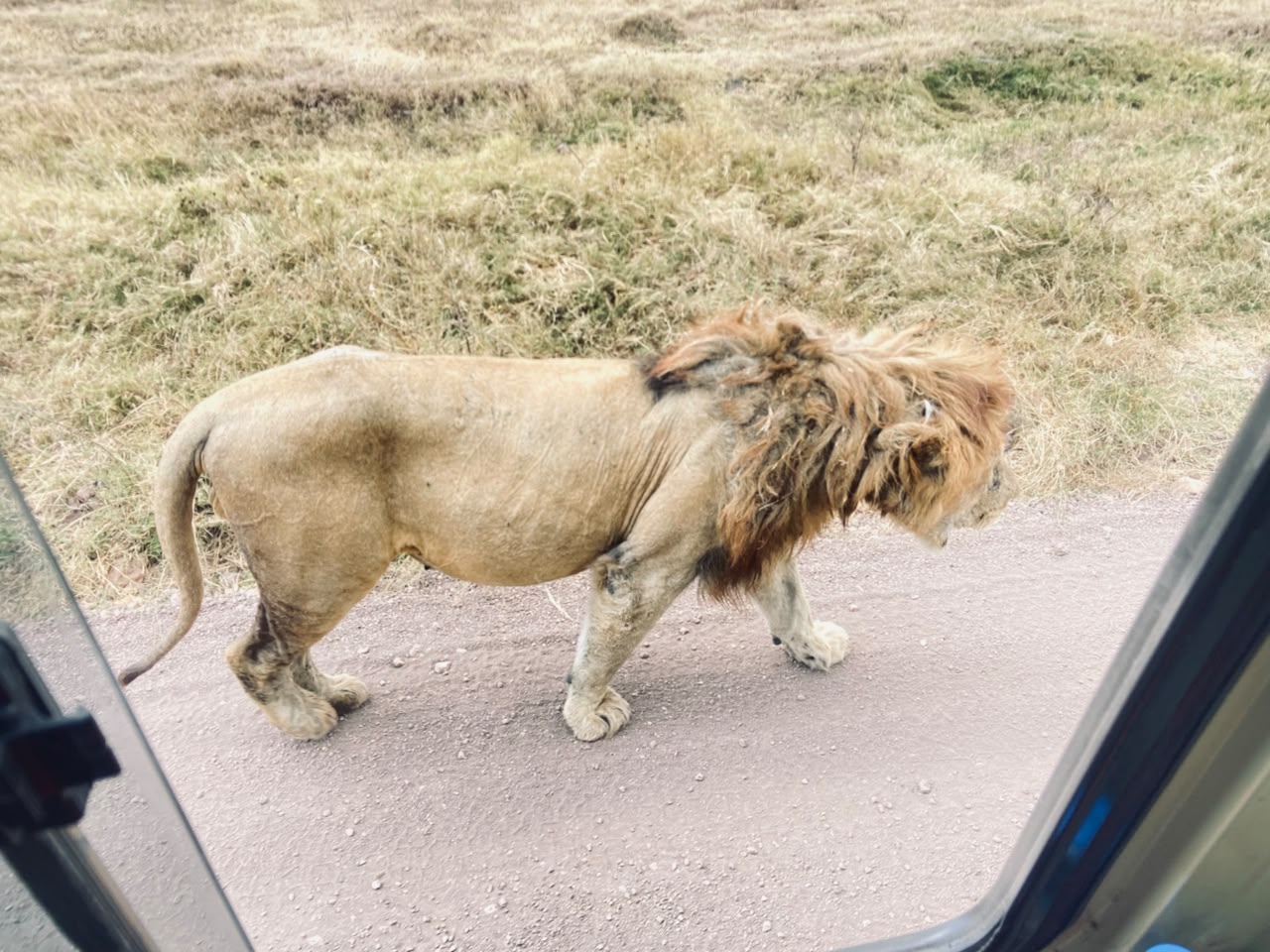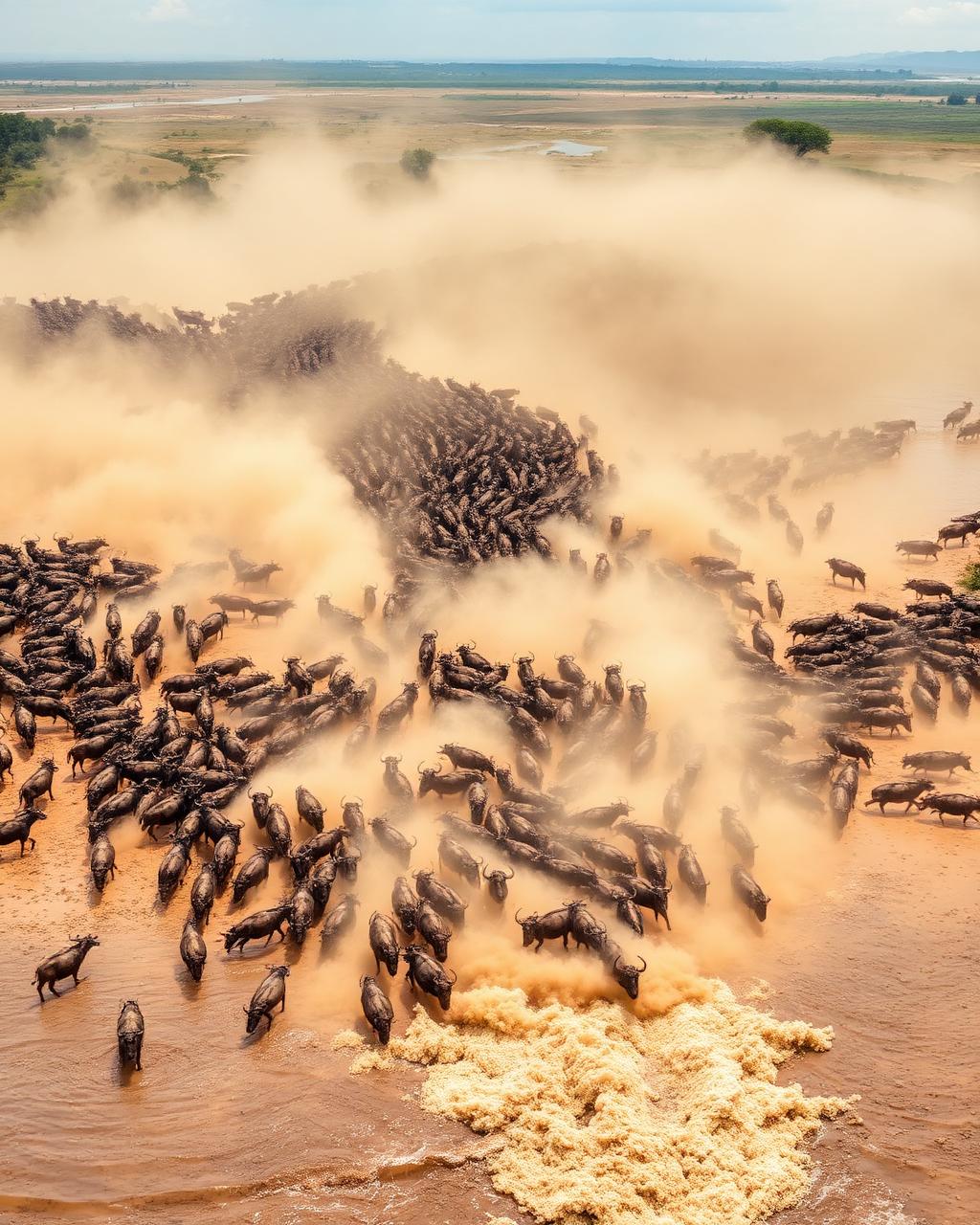
The Great Migration is not a single event you can book a ticket for — it is a slow, circular journey of more than a million wildebeest and zebra following rain and grass. Timing your safari well is mostly about deciding which chapter of that story you want to see.
December to March — calving on the southern plains
The herds gather on the short-grass plains around Ndutu, where roughly half a million calves are born in a few short weeks. The action is dense, predators are everywhere, and the open landscape makes sightings easier.
This is our quiet favourite for photographers and first-time visitors who want drama without long drives.
June to July — the Grumeti and western corridor
As the plains dry, the columns move north and west. River crossings begin along the Grumeti, and the herds concentrate in corridors that reward patience.
August to October — the Mara River crossings
This is the classic image: thousands of animals pressing into the Mara River in the far north of the Serengeti. Crossings are unpredictable, so we plan at least three nights in the Kogatende area to give you real chances.
How we plan around it
We position your camps in the region the herds are most likely to occupy for your dates, and keep one flexible night where possible so your guide can follow movement rather than a fixed schedule.
- Three nights minimum in the migration region
- Camps chosen for location first, then comfort level
- Daily guide radio updates on herd movement
Tailor-Made Tanzania
Start Planning This Journey
Tell us your dates and who is travelling — a safari consultant will reply within 24 hours with a day-by-day plan inspired by this guide.
Inspired by: The best time to witness the Great Migration