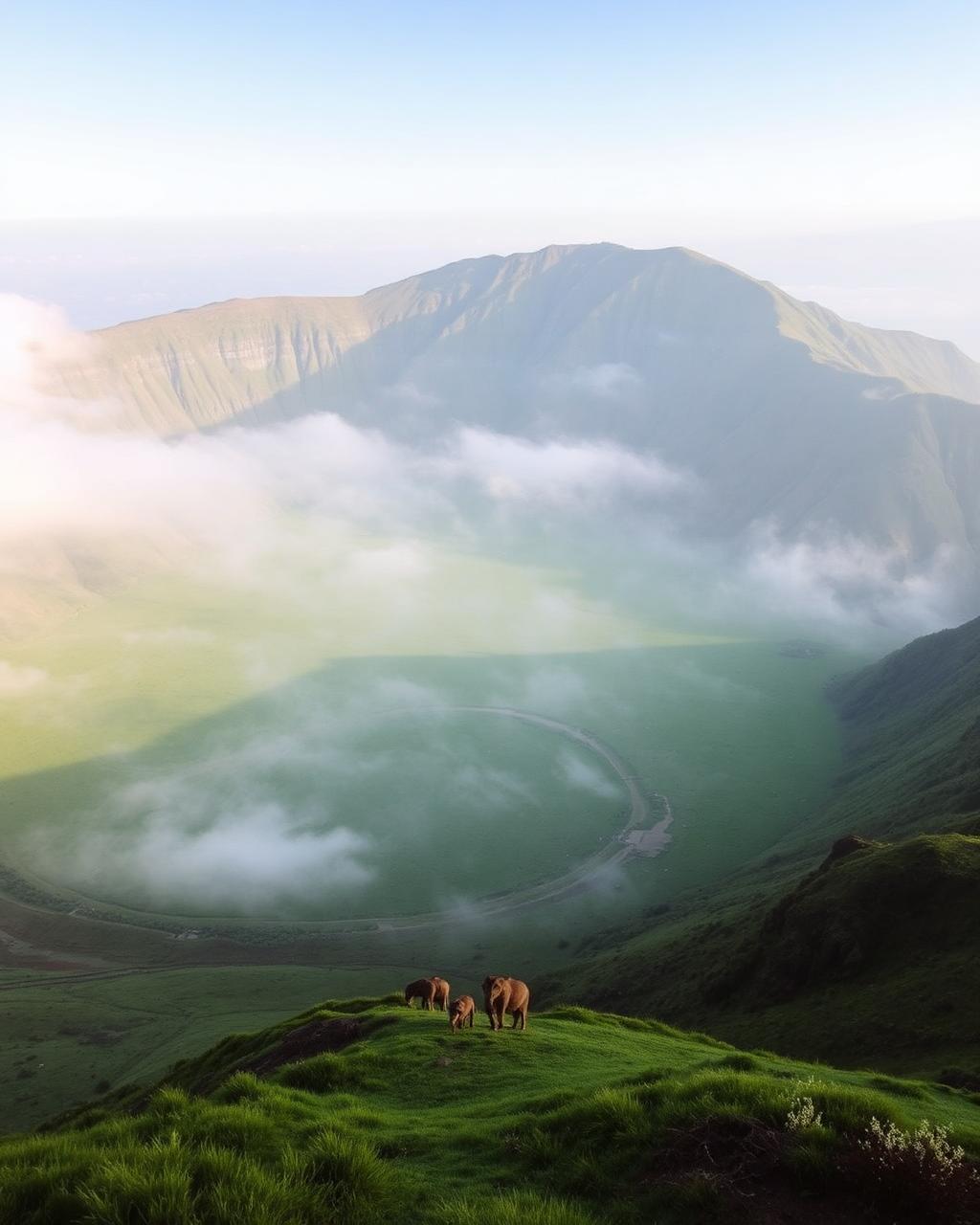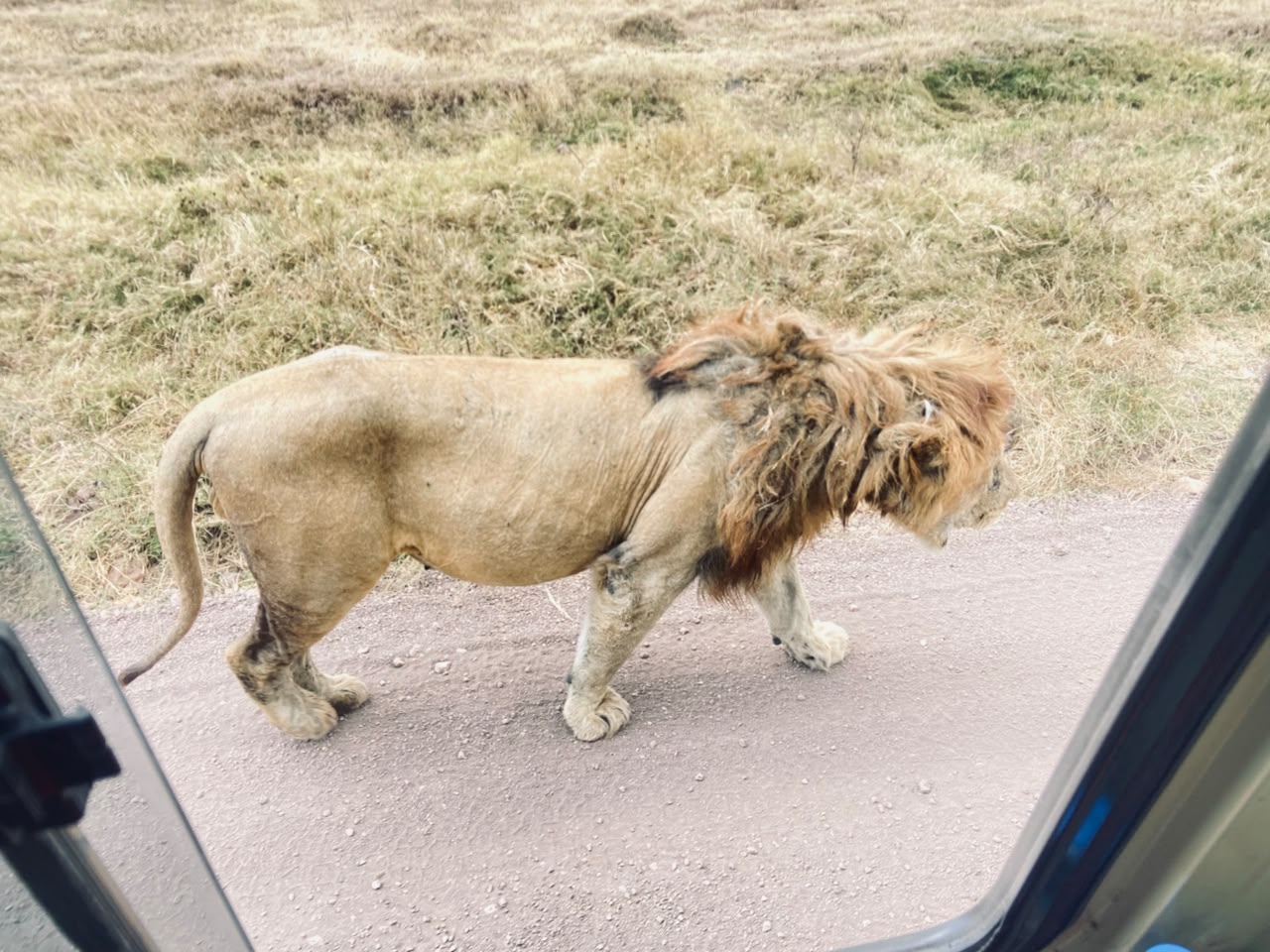
The Big Five is an old hunting term that has become a wildlife checklist. Tanzania holds all five, but they are not evenly distributed, and knowing where each is most reliably found lets us shape a route that gives you real chances rather than luck.
Lion — Serengeti and Ngorongoro
The Seronera valley in the central Serengeti holds some of the highest lion densities in Africa, with prides that are well habituated to vehicles. The Ngorongoro Crater floor is similarly reliable.
Leopard — riverine forest in the Serengeti
Leopards favour sausage trees and acacias along watercourses. Patience is the technique: a good guide will work known territories at dawn and dusk rather than driving broadly.
Elephant — Tarangire above all
In the dry season Tarangire concentrates enormous elephant herds along its river. Multi-generational family groups moving through baobab country is one of Tanzania's great sights, and it is often missed by rushed itineraries.
Buffalo — widespread and easy
Cape buffalo occur in every northern park, from crater herds to Serengeti bachelor groups near water. This is the one you will not have to hunt for.
Rhino — Ngorongoro's black rhino
Black rhino remain rare and protected. The Ngorongoro Crater offers Tanzania's most consistent sighting, usually at distance across the Lerai forest or the open floor, so bring binoculars and manage expectations.
- Best combined route for all five: Tarangire, Serengeti, Ngorongoro
- Best months for visibility: June to October, when vegetation is thin
- Bring 8x42 binoculars — they matter more than a long lens
Tailor-Made Tanzania
Start Planning This Journey
Tell us your dates and who is travelling — a safari consultant will reply within 24 hours with a day-by-day plan inspired by this guide.
Inspired by: Where to see the Big Five in Tanzania