Destinations
Zanzibar
Where the safari ends and the Indian Ocean begins
Size
Main island 1,666 km², plus Pemba and Mnemba
Best time
June–October and December–February; heavy rains April–May
Getting there
Direct flights from Serengeti, Arusha and Dar es Salaam
How long to stay
Four nights: one in Stone Town, three on the coast
The place
Zanzibar is the natural second half of a Tanzanian journey: white sand, warm water, a spice-trading history written into the coral-stone lanes of Stone Town, and a short flight from the Serengeti. Most guests arrive planning three nights and wish they had taken five.
Choosing a coast
The north (Nungwi, Kendwa) has swimmable water at all tides and more life. The east (Paje, Jambiani) is quieter with dramatic tides and kitesurfing. The south-east and Fumba suit those who want near-empty beaches. It is a real decision and we will talk it through with you.
Stone Town
A UNESCO World Heritage site of carved doors, Omani merchant houses and Forodhani night market. One night here before the beach gives the island a context that pure resort time never will.
Water and spice
Mnemba atoll for snorkelling and diving, dhow sunset sails, dolphin encounters at Kizimkazi, Jozani forest for red colobus, and spice farms that explain how the island was built.
Highlights
What people remember
Mnemba atoll
Clear, protected reef with turtles, reef sharks and superb snorkelling.
Stone Town's doors
Centuries of Swahili, Omani and Indian craftsmanship in narrow lanes.
Jozani red colobus
An endemic primate found nowhere else on earth.
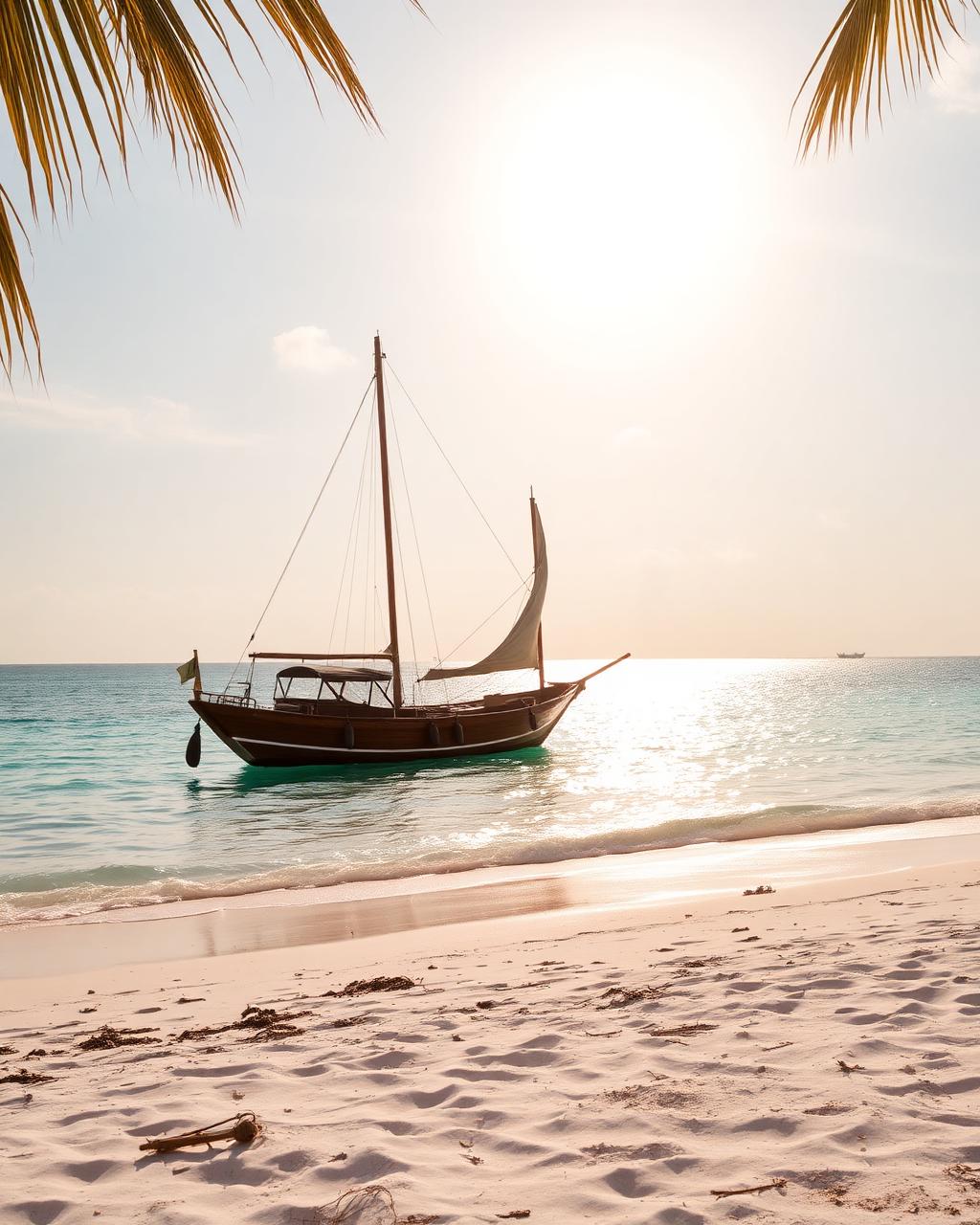
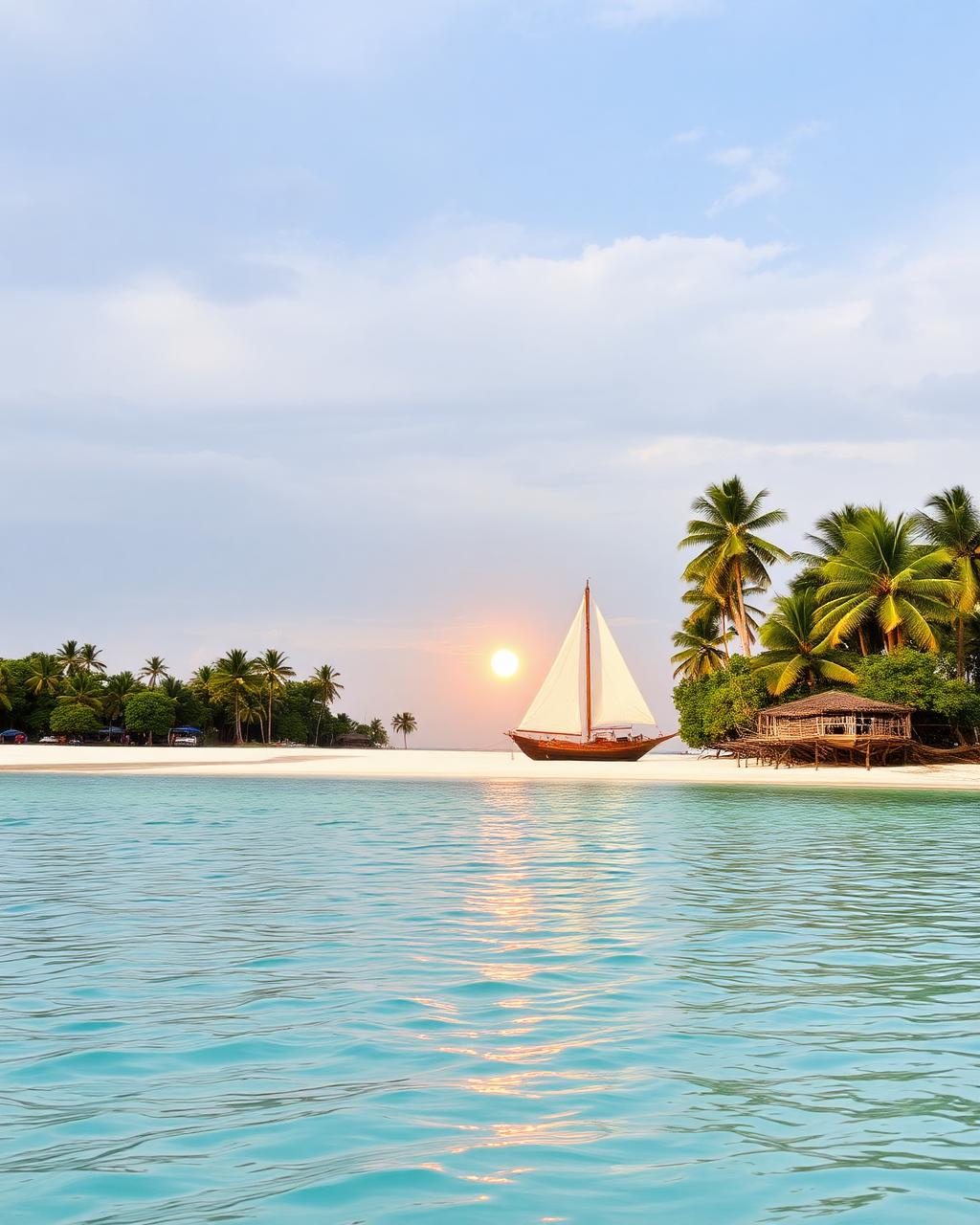
Dhow sailing
Sunset on a wooden sail boat off the north-west coast.
Suggested journeys
Itineraries that include Zanzibar

From the Journal