Destinations
Lake Manyara National Park
Groundwater forest, soda lake and the Rift Valley wall
Size
330 km², two-thirds of it lake
Best time
July–October for game; November–June for birdlife and green landscapes
Getting there
1.5 hrs by road from Arusha, en route to Ngorongoro
How long to stay
One night, or a half-day en route to the crater
The place
Manyara is small, green and layered — you pass from dense groundwater forest full of blue monkeys and baboons, through acacia woodland where lions rest in the branches, to open floodplain on the edge of a shallow soda lake. The Rift Valley escarpment rises behind it all. It is an easy, rewarding first or last stop on a northern circuit.
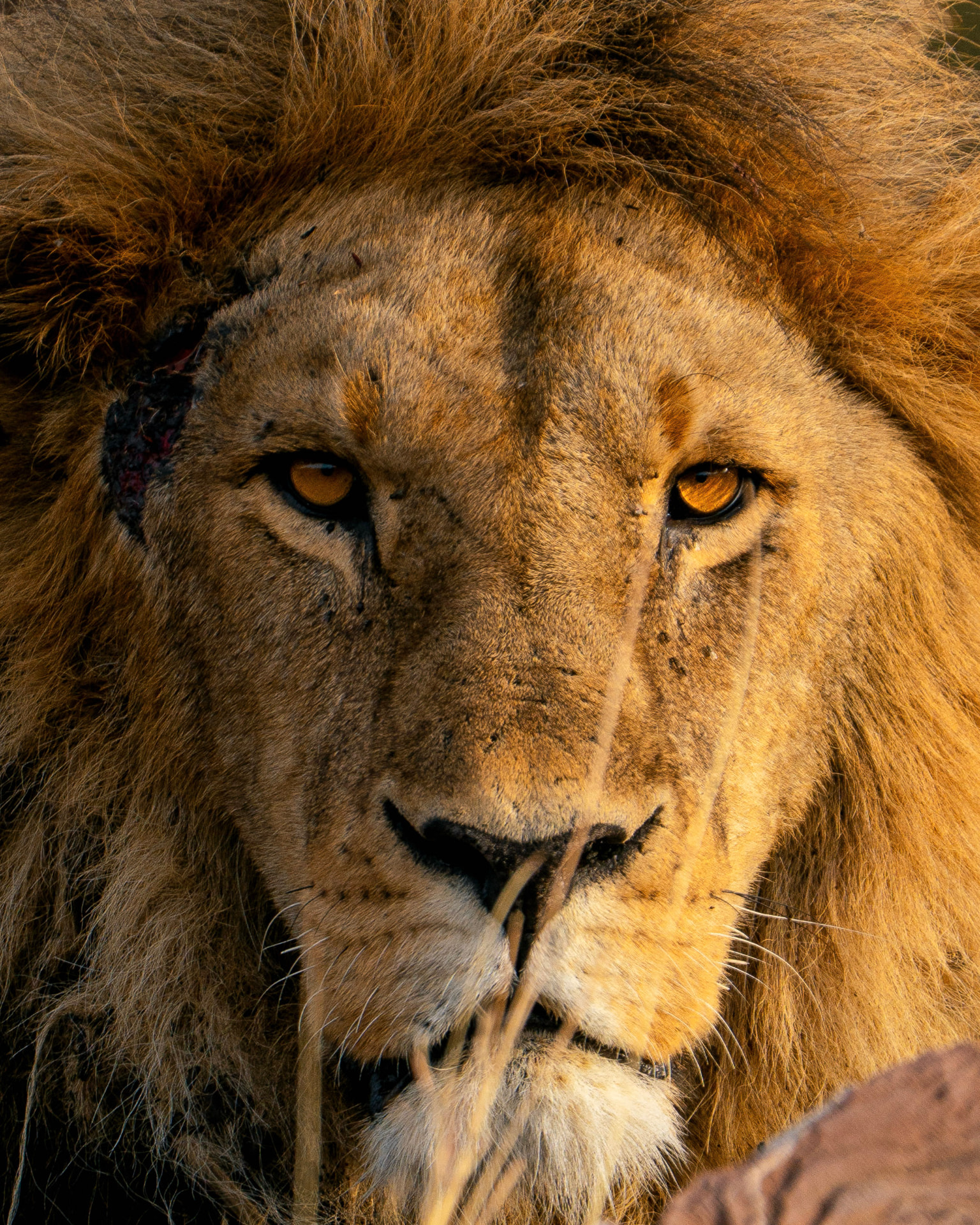
Tree-climbing lions
Manyara's lions genuinely do rest in acacia trees. Sightings are not guaranteed and anyone promising them is selling something — but the park's guides know the favoured trees and the odds are real.
The forest and the springs
The northern forest is fed by underground springs from the escarpment. It is cool, tall and full of baboon troops, blue monkeys, bushbuck and, if you are lucky, elephant moving quietly through the shade.
Beyond game drives
Manyara is one of the few northern parks with a treetop canopy walkway, night drives and good mountain-bike routes on its fringes — useful when you want a change of pace mid-trip.
Highlights
What people remember
Tree-climbing lions
A local behaviour found in only a handful of places in Africa.
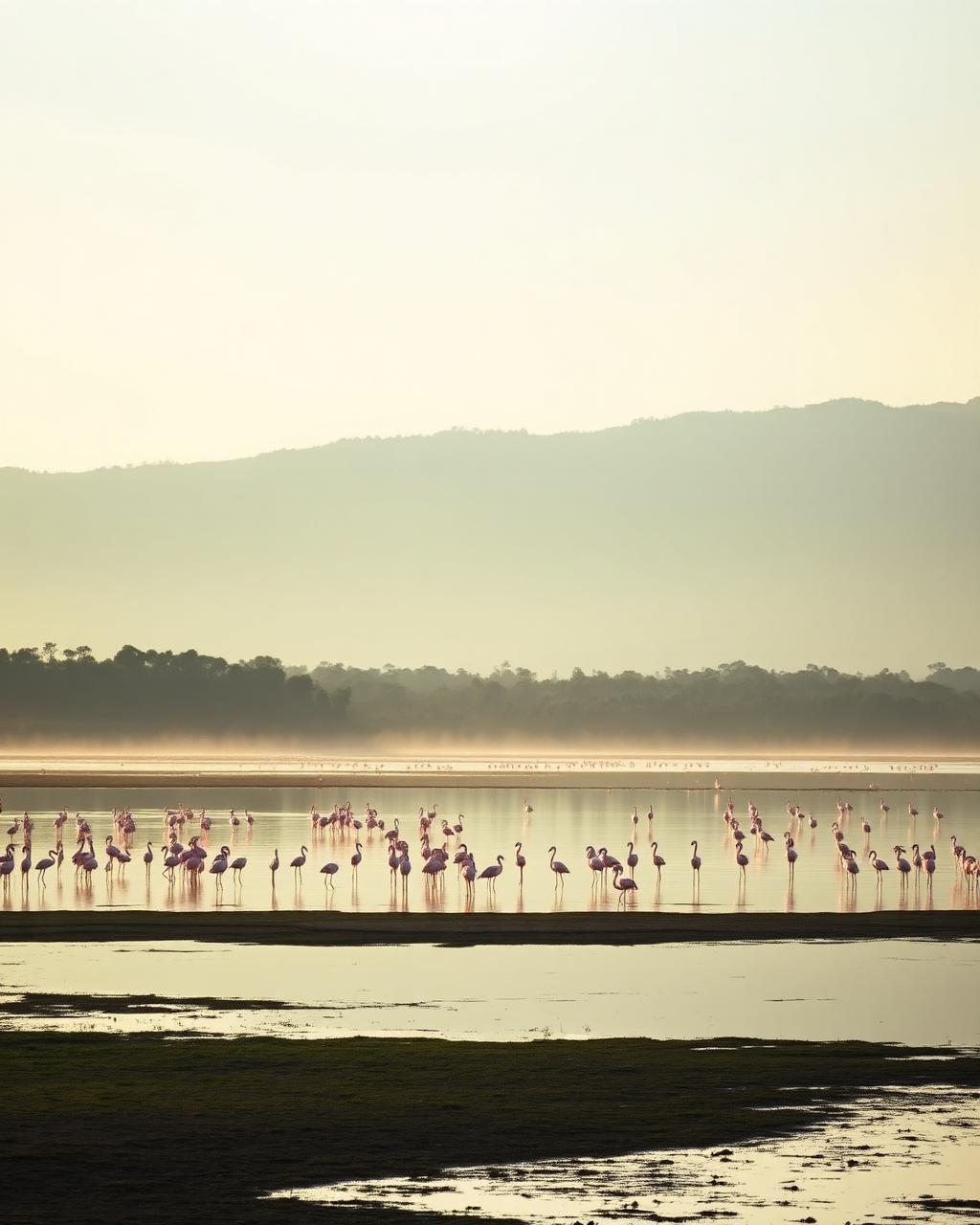
Flamingo flocks
Pink bands along the soda-lake shoreline in the wetter months.
Canopy walkway
A suspended forest walk high in the groundwater forest.
Hot springs
Maji Moto, on the far southern lakeshore, reached on a long quiet drive.
Suggested journeys