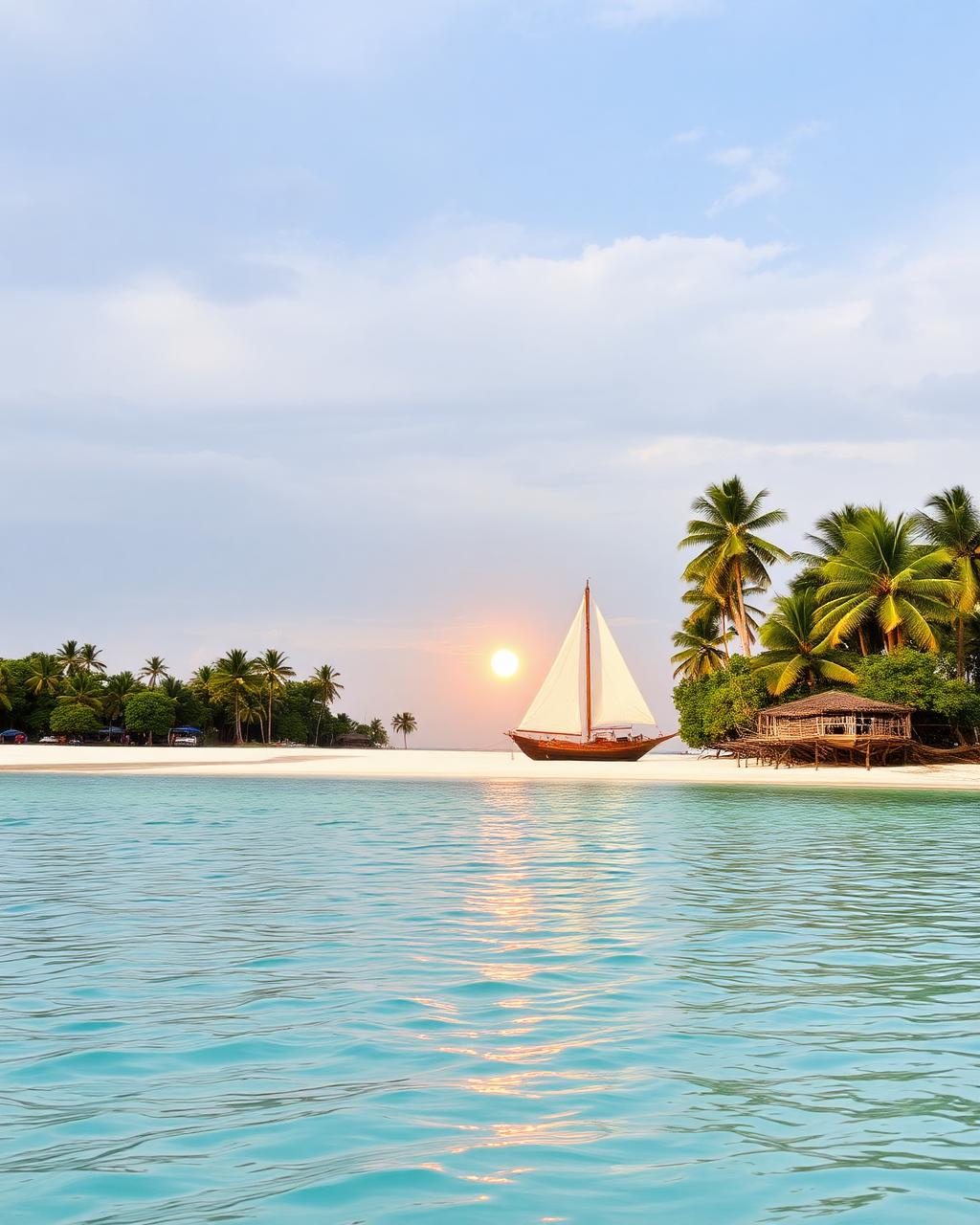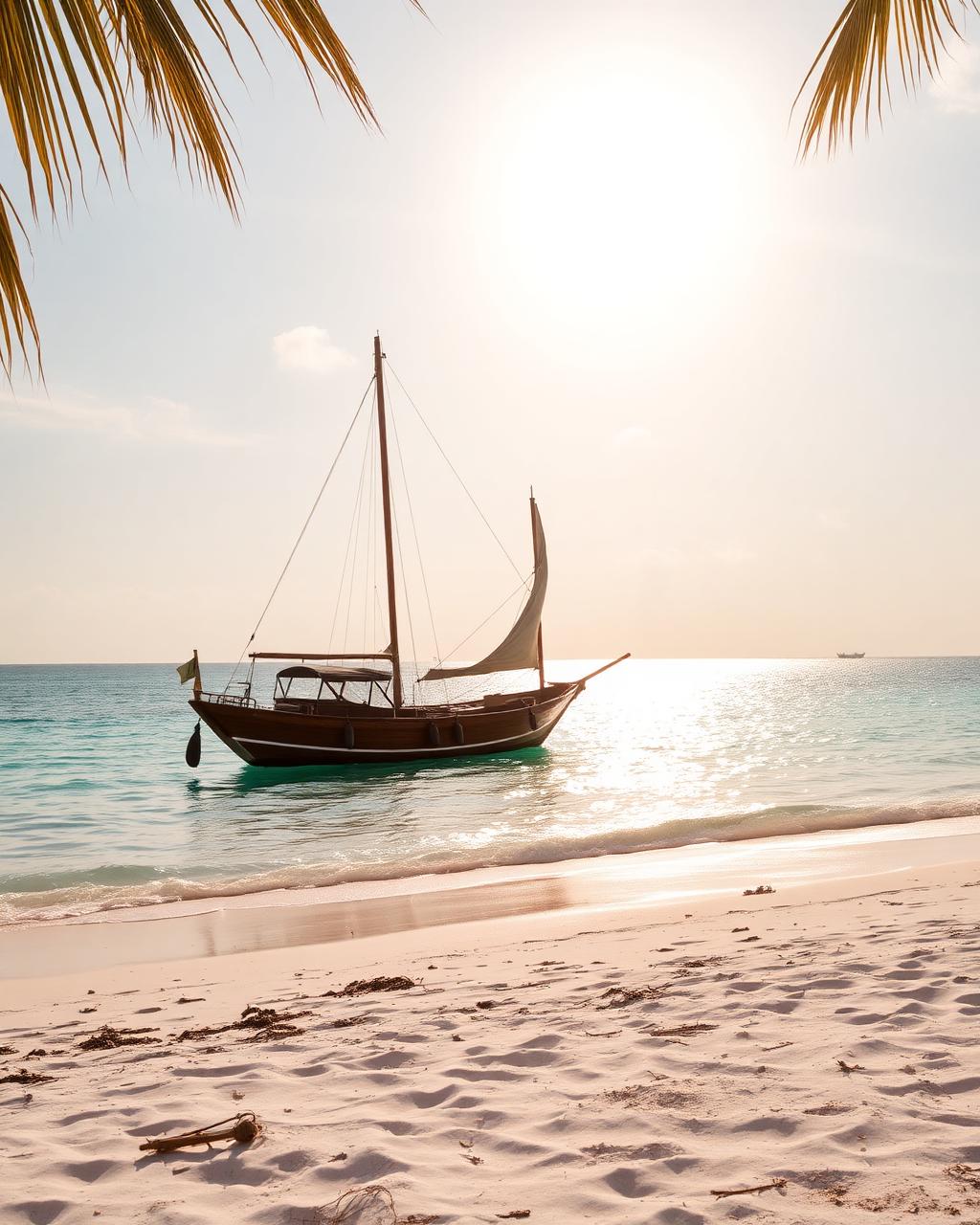
Stone Town rewards travellers who look beyond carved doors. Its coral-stone buildings hold centuries of African, Arab, Persian, Indian and European exchange, along with painful histories of enslavement and colonial power.
A city shaped by the monsoon
Seasonal winds connected Zanzibar to ports across the Indian Ocean. Traders, sailors, craftspeople and families created a Swahili urban culture rooted in Africa and open to the sea.
Courtyards, shaded passages and coral-rag walls respond to heat, privacy and dense town life.
Doors as history, not decoration alone
Carved doors may show Indian, Arab and local influences through floral, geometric and protective motifs. Age and ownership stories should be explained carefully rather than guessed from a single symbol.
Conservation is difficult because coral-stone buildings need skilled maintenance and the living city must still serve residents.
Tell the complete story
A thoughtful tour includes mosques, markets and merchant houses as well as the memorial at the former slave market. The history of enslavement should be approached with clarity and respect, not as spectacle.
- Stay at least one night to experience early and late hours
- Walk with a licensed local guide
- Dress respectfully
- Ask before photographing residents or interiors
Culture & Connection
Plan a Culturally Rich Journey
We'll pair wildlife with respectful, meaningful cultural encounters and local guides who share Tanzania's stories first-hand.
Inspired by: Stone Town, Zanzibar: history, carved doors and the stories between them