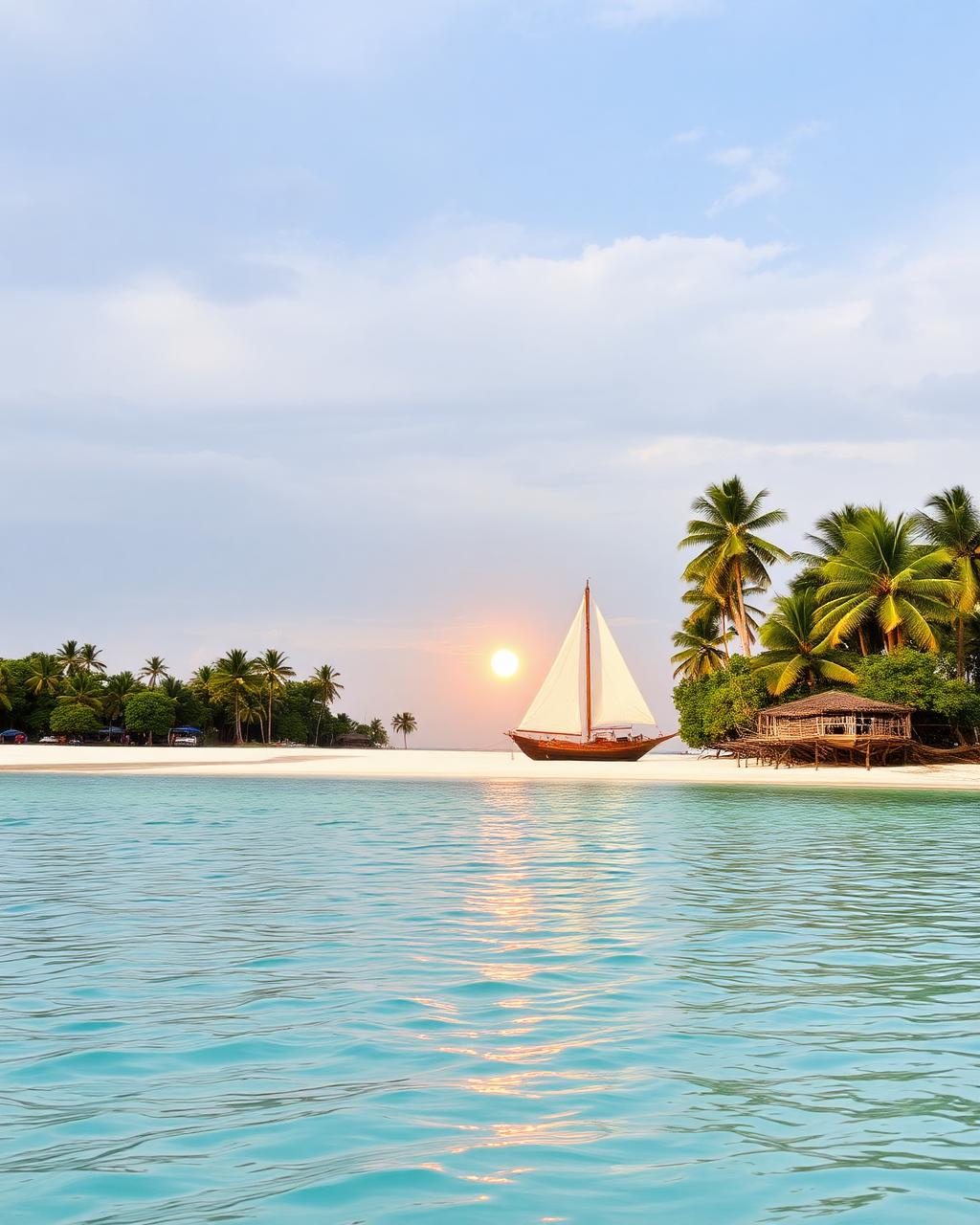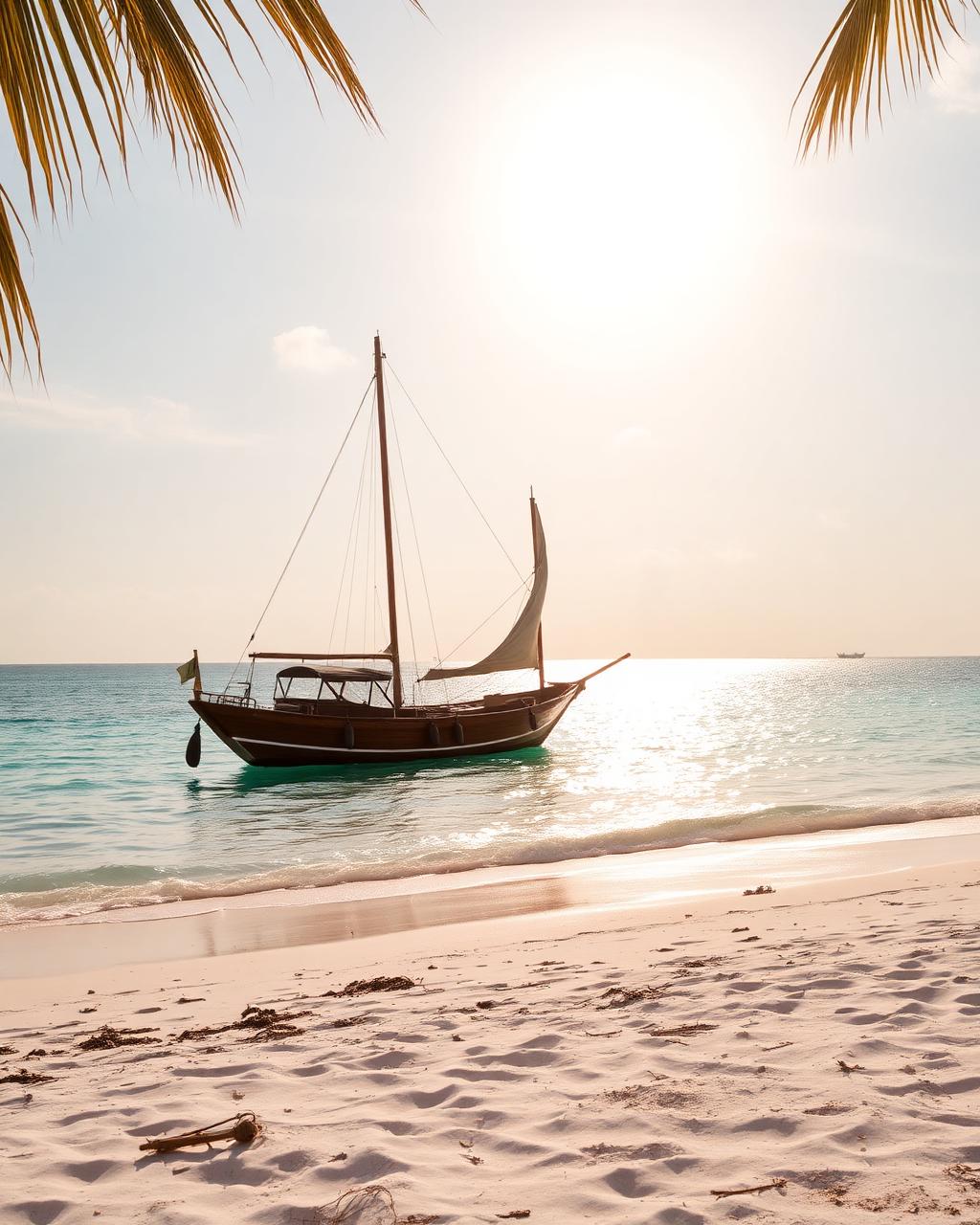
Zanzibar is not one destination — it is a coastline of very different villages, a spice-scented old town, and a reef system that changes character with the tide. Most disappointing Zanzibar trips are not bad luck; they are the result of booking the wrong coast for the wrong month. This guide walks through everything we tell our own guests before they choose a beach.
Where Zanzibar sits and how long you need
Zanzibar (Unguja) lies about 35 km off the Tanzanian mainland, a 20-minute flight from Dar es Salaam or roughly 80 minutes from Arusha. It is the classic finish to a northern-circuit safari: dusty mornings in the Serengeti, then salt air and slow days.
Four nights is the practical minimum for a beach stay that actually feels restful — one arrival day, two full days, one departure. Seven nights lets you split between Stone Town and the coast, or add Mnemba, Jozani forest and a spice farm without rushing.
- 3–4 nights: pure beach decompression after safari
- 5–7 nights: beach plus Stone Town, reef and forest
- 10+ nights: add Pemba or Mafia for diving and near-empty coastline
Choosing your coast — the decision that matters most
The north (Nungwi and Kendwa) has the least tidal variation, so you can swim from the beach at almost any hour. It is also the liveliest, with bars, boats and beach traffic.
The east (Paje, Jambiani, Michamvi) has wide, luminous sand and dramatic tides — at low water the sea retreats hundreds of metres and seaweed farmers walk the flats. It is the choice for kitesurfers, walkers and travellers who want space.
The south-east and south-west (Kizimkazi, Fumba, Chumbe) are quieter still, good for dolphins, marine conservation and honeymooners who want no crowd at all. The north-east (Matemwe) is our usual recommendation for a first visit: calm, elegant, and the launch point for Mnemba's snorkelling.
- Swim at all tides, social atmosphere: Nungwi / Kendwa
- Wide beaches, wind sports, boho villages: Paje / Jambiani
- Quiet luxury and reef access: Matemwe / Michamvi
- Seclusion and marine conservation: Fumba / Chumbe / Kizimkazi
Understanding the tides before you book
Zanzibar's tidal range on the east coast can exceed three metres. That is not a flaw — the low-tide flats are beautiful and full of life — but it means swimming windows shift by around 50 minutes each day.
If uninterrupted swimming matters to you, book the north or a hotel with a good pool. If you love wide, empty sand and don't mind timing your dips, the east coast rewards you with far more room and better value.
When to go
June to October is dry, breezy and reliable — the same window as peak safari season, which is why the safari-and-beach combination works so neatly. December to February is hotter and calmer, excellent for diving and honeymoons.
The long rains run roughly late March through May, when many smaller hotels close and prices drop sharply. November brings short, brief rains that rarely spoil a week.
Stone Town: give it at least one night
Stone Town is a UNESCO World Heritage site and the cultural heart of the island — carved doors, Omani and Indian architecture, the former slave market memorial, the Old Fort and the Darajani market. Walking it with a guide who knows the history turns a pretty maze into a story about trade, empire and Swahili identity.
Sunset from a rooftop, then the Forodhani night market for grilled seafood and urojo soup, is the standard evening — and it deserves to be.
The experiences worth your days
Zanzibar rewards restraint: pick two or three excursions across a week and leave the rest to the beach.
- Mnemba atoll snorkelling or diving — the island's best reef
- A working spice farm tour with a knowledgeable local guide
- Jozani Chwaka Bay forest for the endemic red colobus monkey
- A sunset dhow cruise, ideally on a traditional sail rather than a motor
- The Rock restaurant or a sandbank lunch, booked well in advance
- Safari Blue from Fumba for a full day of sandbanks and lagoons
Practicalities: money, dress, connectivity, safety
The Tanzanian shilling is the currency; US dollars are widely accepted for hotels and tours, and cards work in larger properties but not in villages. Withdraw cash in Stone Town rather than relying on beach-village ATMs.
Zanzibar is predominantly Muslim. Beachwear is fine on hotel beaches; away from them, covering shoulders and knees is a simple courtesy that is genuinely appreciated. During Ramadan, be discreet about eating and drinking in public.
Mobile data is cheap and good — buy a local SIM at the airport. Yellow fever certificates are required only if you arrive from a country where it is endemic, but malaria precautions apply year-round.
Combining Zanzibar with a safari
The natural order is safari first, beach second — you want the early starts behind you before you switch to slow mornings. Direct flights link Arusha, the Serengeti airstrips and Zanzibar daily, so a transfer day rarely costs you more than a morning.
A well-balanced first trip is six to eight nights on the northern circuit followed by four to five on the coast. We build these as one seamless itinerary, so flights, park exits and hotel check-ins line up without a single wasted day.
Once you have chosen your coast, use our ready-made pacing plans: the perfect 5-day Zanzibar itinerary for a decompression stay, or the perfect 7-day Zanzibar itinerary if you want Stone Town, the reef and a sandbank day as well.
Zanzibar & Safari, Tailor-Made
Request My Zanzibar Safari
Tell us when you're travelling and who is coming — we'll reply within 24 hours with a plan combining Zanzibar's beaches with the Serengeti, Ngorongoro, or both.
Inspired by: Zanzibar travel guide: beaches, Stone Town and how to plan your days