Tanzania cannot be reduced to a single tribe, costume or village visit. The country is shaped by many communities, languages, faiths and livelihoods, with identities that are living and modern rather than displays preserved for travellers.
Begin with plurality
Kiswahili creates a shared national language alongside many community languages. Pastoralism, farming, fishing, trade and city life overlap across regions.
A respectful guide avoids presenting one community as representative of every Tanzanian experience.
Guest etiquette
Greetings matter. Ask before photographing people, dress modestly in villages and religious settings, and let your host set the pace of conversation.
Buying directly from makers can be meaningful, but avoid turning every interaction into bargaining or charity.
- Learn a few Kiswahili greetings
- Ask permission before photographs
- Follow local guidance on dress
- Choose community-led visits with transparent fees
Conversation, not performance
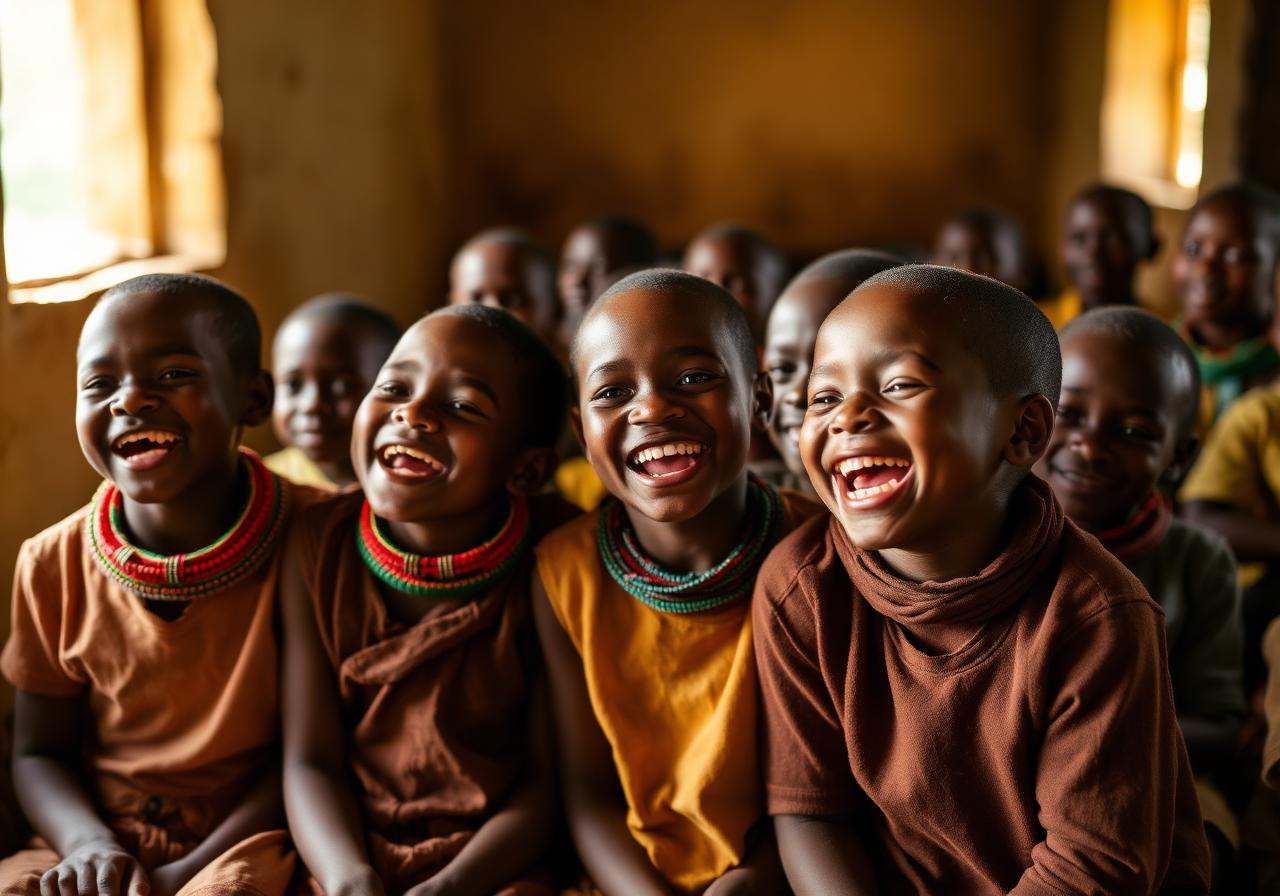
The most valuable visits allow questions in both directions and explain how tourism revenue is managed. They may include schools, farms, markets or conservation projects—but should never intrude on private life.
Fondness favours small, pre-arranged experiences shaped by the hosts themselves.
Culture & Connection
Plan a Culturally Rich Journey
We'll pair wildlife with respectful, meaningful cultural encounters and local guides who share Tanzania's stories first-hand.
Inspired by: Tanzania's cultural diversity: how to visit with curiosity and respect