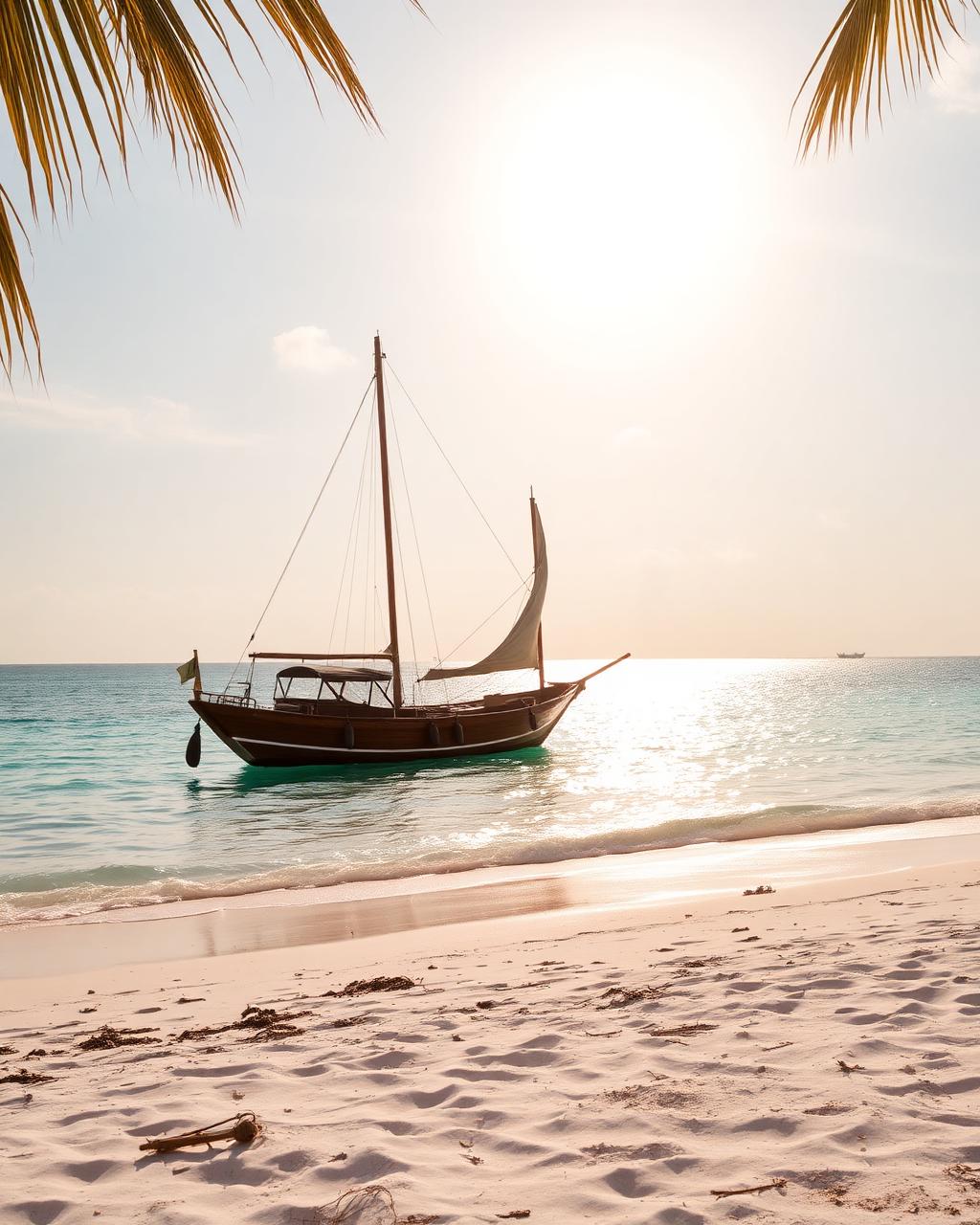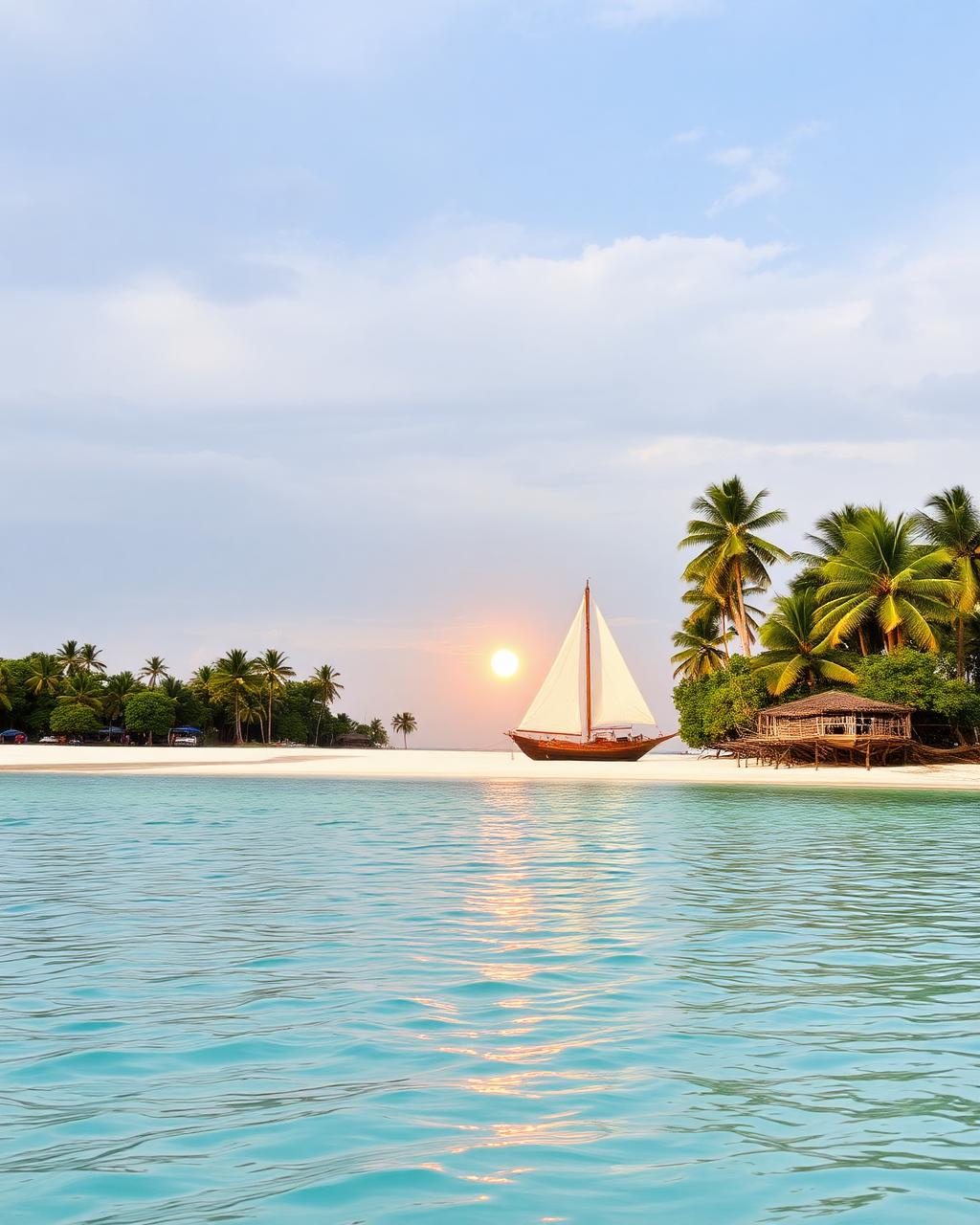
The Indian Ocean is not simply the water beside Zanzibar's beaches. It is a historic road that carried people, faiths, crops, architecture, music and language between the East African coast and a much wider world.
Monsoon winds created a calendar
For centuries, sailing seasons were organised around winds that reverse direction through the year. Dhows arrived, traded and waited for the wind that could carry them home.
Those repeated connections helped Swahili port towns grow as African places with international horizons.
Culture travelled in both directions
Kiswahili vocabulary, coastal cuisine, carved architecture and religious practice reflect long contact with Arabia, Persia, India and other African coasts. Influence did not erase local identity; it became part of a distinct Swahili culture.
Spices later transformed Zanzibar's economy and landscape, while unequal systems of power and enslavement also shaped that history.
How to experience the ocean thoughtfully
Sail with local crews, visit a working spice farm, eat coastal dishes and learn why tides shape daily life on the east coast.
- Choose locally crewed dhow excursions
- Respect marine protected areas
- Avoid touching coral or feeding wildlife
- Pair beach time with Stone Town and village context
Culture & Connection
Plan a Culturally Rich Journey
We'll pair wildlife with respectful, meaningful cultural encounters and local guides who share Tanzania's stories first-hand.
Inspired by: The Indian Ocean and Zanzibar: how the sea shaped an island culture