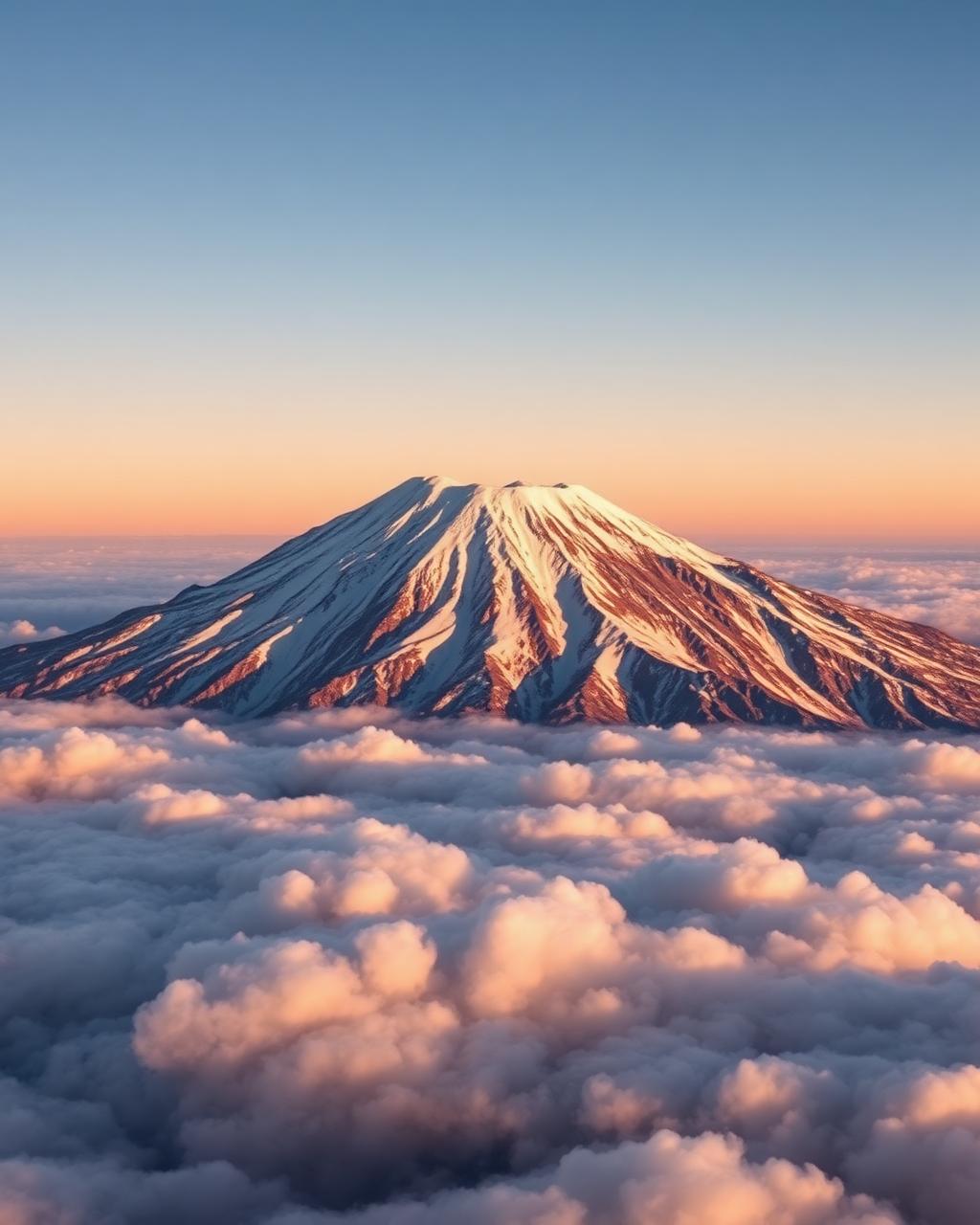
Kilimanjaro is a walk, not a technical climb — but altitude decides who reaches Uhuru Peak. Route choice is really a decision about how many days your body gets to acclimatise, and almost every summit statistic follows from that.
The rule that matters most
Add days. Success rates rise sharply from five-day itineraries to seven and eight-day ones on the same mountain. If you can only change one thing about your climb, change the length.
Machame — the popular choice
Six to seven days, varied scenery and a natural climb-high-sleep-low profile. Busy in peak season, and steep in places, but deservedly the most-walked quality route.
Lemosho and the Northern Circuit — the best acclimatisation
Lemosho approaches from the west through forest and moorland over seven to eight days. The Northern Circuit extends it to nine, circling the summit cone with the highest success rates on the mountain and the fewest crowds.
Marangu and Rongai
Marangu is the only hut route and the shortest, which is exactly why its summit rate is the lowest. Rongai approaches from the drier north, is gentler underfoot and a good option during the wetter months.
- Best overall odds: Lemosho 8 days or Northern Circuit 9 days
- Best value quality route: Machame 7 days
- Best in the rains: Rongai
- Warmest months: January to March and June to October
Training and the days after
Hill walking with a daypack for eight to twelve weeks beats gym cardio. Plan at least one rest day after descending, and consider finishing on Zanzibar rather than flying straight home.
Kilimanjaro, Planned Properly
Plan My Kilimanjaro Climb
Share your dates and experience level — we'll recommend a route and acclimatisation profile, and can add a safari or Zanzibar recovery afterwards.
Inspired by: Climbing Kilimanjaro: choosing the right route