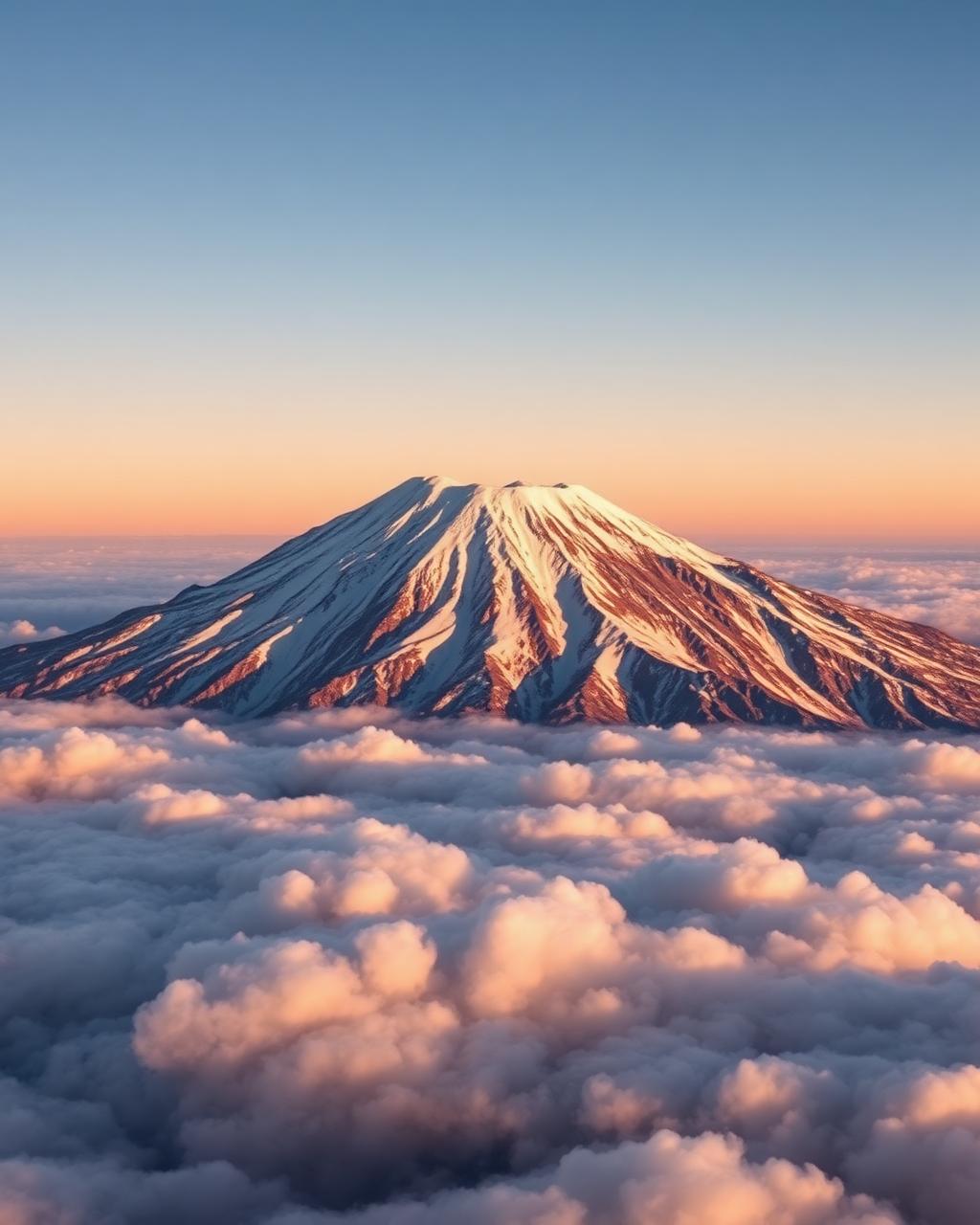
The greatest challenge on Kilimanjaro is not the trail beneath your boots; it is the decreasing oxygen available as you climb. Fitness cannot guarantee immunity from altitude illness, so a responsible ascent combines enough days, a slow pace, honest symptom reporting and guides empowered to turn a climber around.
What acclimatisation means
As elevation rises, your body increases breathing and makes gradual physiological adjustments. Those changes need time. An itinerary that gains height gently and includes climb-high, sleep-low days gives the body a better opportunity to adapt.
No route removes the risk. Longer itineraries simply create a more sensible margin for monitoring and adjustment.
Symptoms must be shared early
Headache, nausea, unusual fatigue, dizziness and disturbed sleep can accompany acute mountain sickness. Hiding symptoms to protect a summit attempt makes safe decision-making harder.
Confusion, loss of coordination, breathlessness at rest or a rapidly worsening condition are emergencies. Your lead guide’s descent decision is final and should be treated as professional care, not failure.
- Drink regularly without forcing excessive water
- Eat even when appetite falls
- Walk slowly from the first day
- Report changes clearly at every health check
Plan for safety before the mountain
Discuss pre-existing conditions and altitude medication with a qualified clinician before travel. Carry insurance that covers trekking at your planned elevation and emergency evacuation.
This guide is educational, not medical advice. Conditions and individuals differ, and your mountain crew’s real-time assessment always matters most.
Kilimanjaro, Planned Properly
Plan My Kilimanjaro Climb
Share your dates and experience level — we'll recommend a route and acclimatisation profile, and can add a safari or Zanzibar recovery afterwards.
Inspired by: Altitude on Kilimanjaro: acclimatisation, symptoms and safe decisions