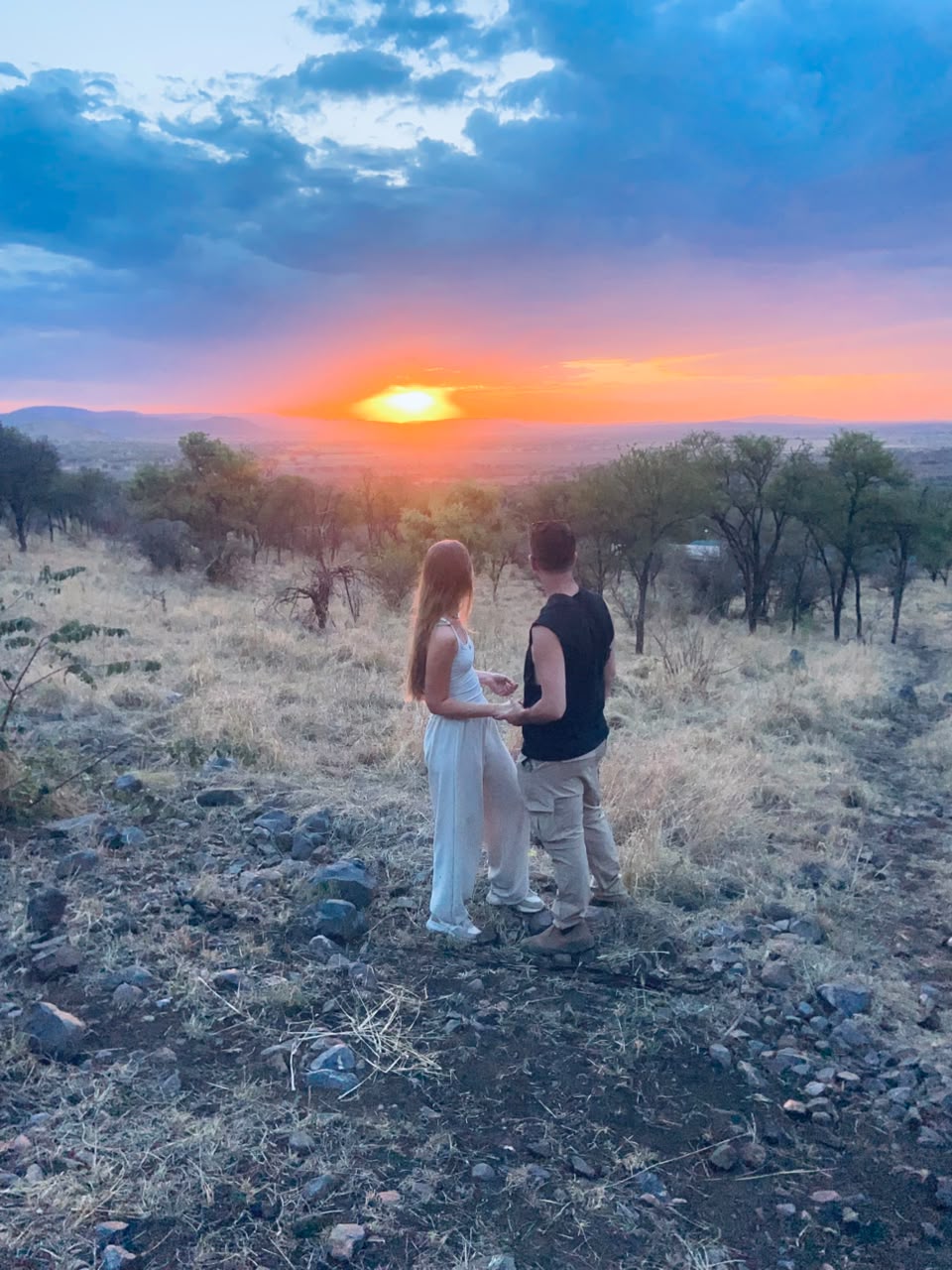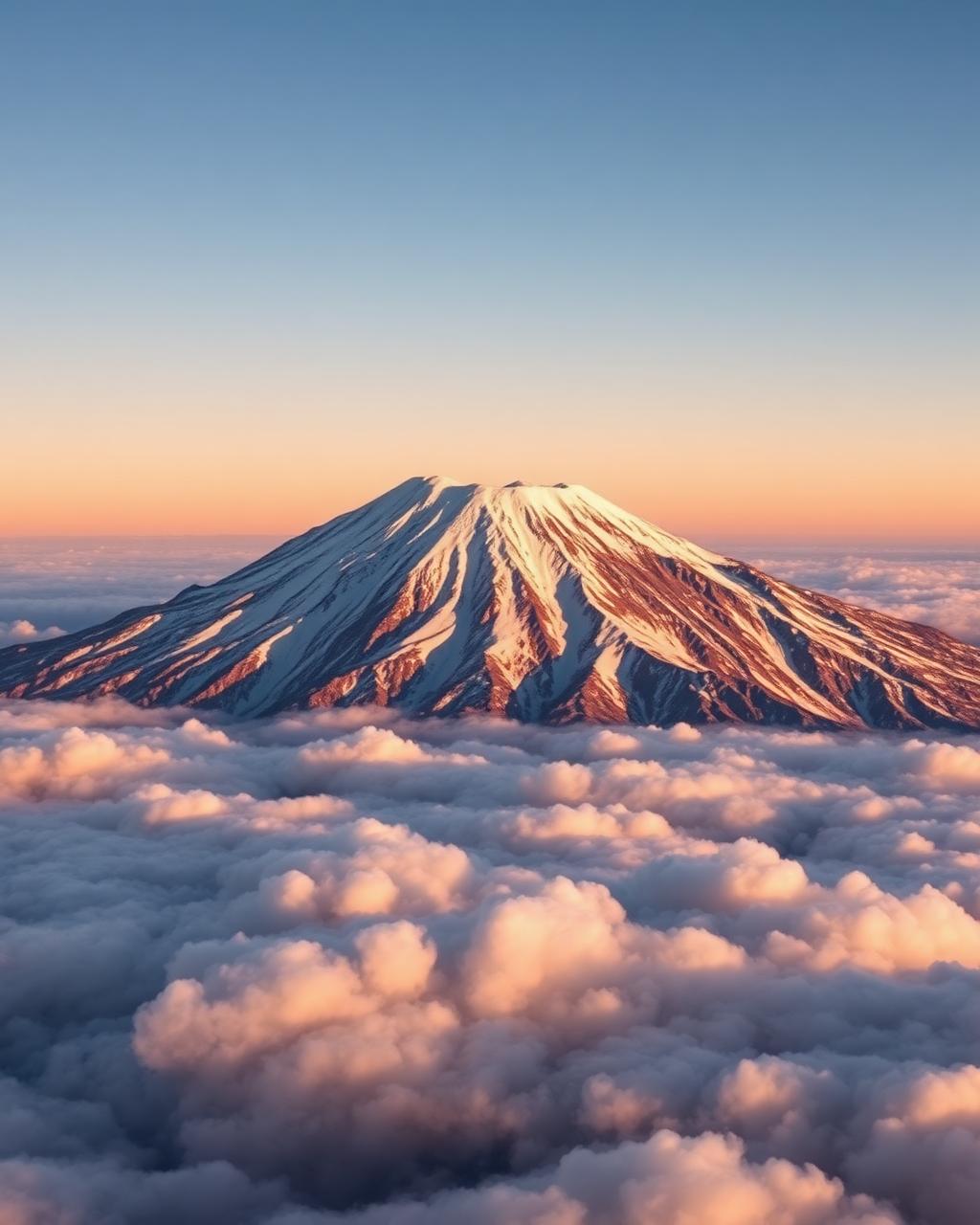
Kilimanjaro can be climbed throughout the year, but dry trails and clearer skies make some periods more comfortable. Your ideal month depends on whether you value stable weather, fewer climbers, a safari combination or a quieter route.
January to early March
This is a warmer, often clear climbing window with a quieter feel than the main northern-hemisphere summer season. Cloud can build later in the day, so early starts reward photographers.
It pairs naturally with calving-season wildlife on the southern Serengeti plains and hot beach weather on Zanzibar.
June to October
The long dry season generally brings reliable trail conditions and excellent visibility. July through September is popular, so route and campsite choice affect how private the mountain feels.
Lemosho and the Northern Circuit spread climbers over more terrain, while quieter departure dates can soften congestion on Machame.
- Best weather does not mean warm summit temperatures
- Book peak-season permits and crews early
- Choose days for acclimatisation before choosing a date for speed
Rainier and shoulder periods
April and May normally bring heavier rain. November is often characterised by shorter showers, though mountain weather never follows a perfect calendar.
Rongai's northern approach can be relatively sheltered in wetter periods. A private climb, proper waterproofing and flexible expectations can make shoulder-season trekking rewarding.
Kilimanjaro, Planned Properly
Plan My Kilimanjaro Climb
Share your dates and experience level — we'll recommend a route and acclimatisation profile, and can add a safari or Zanzibar recovery afterwards.
Inspired by: The best months to climb Kilimanjaro: weather, crowds and visibility