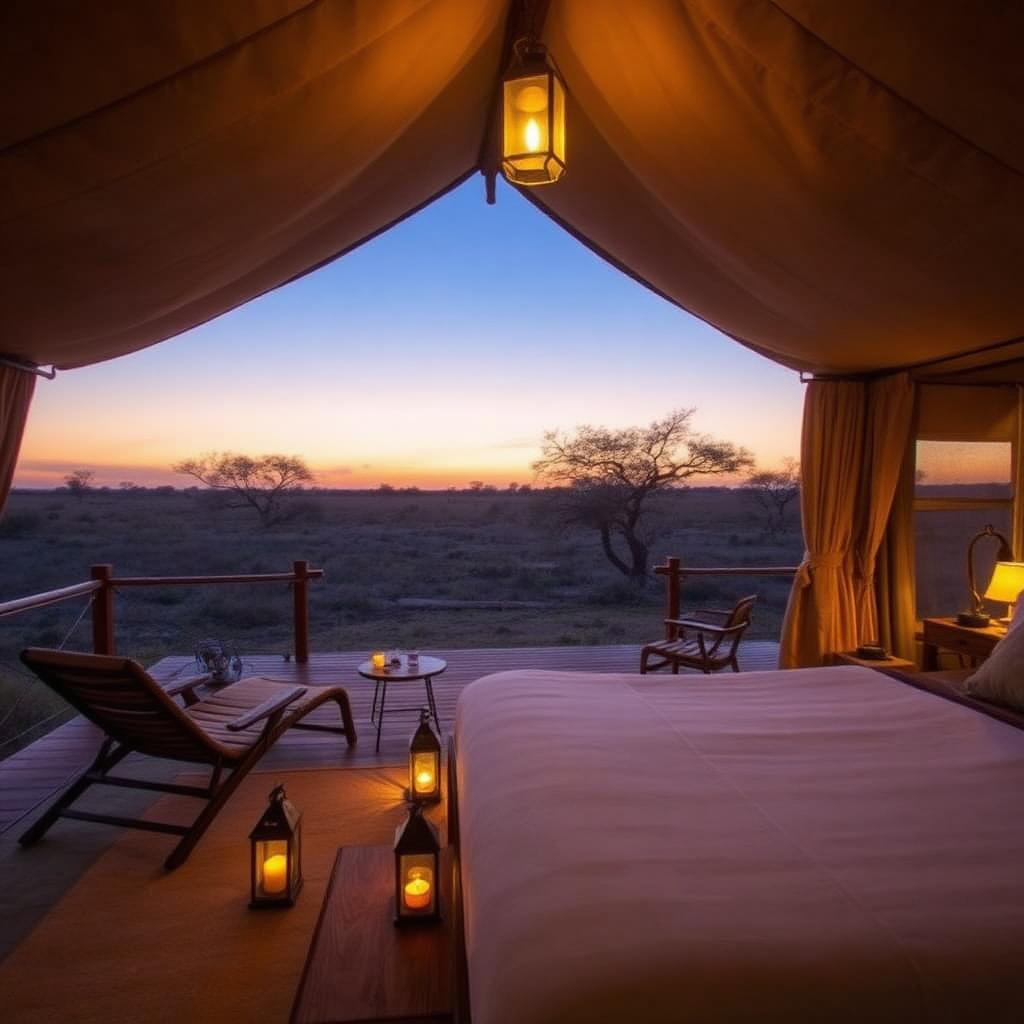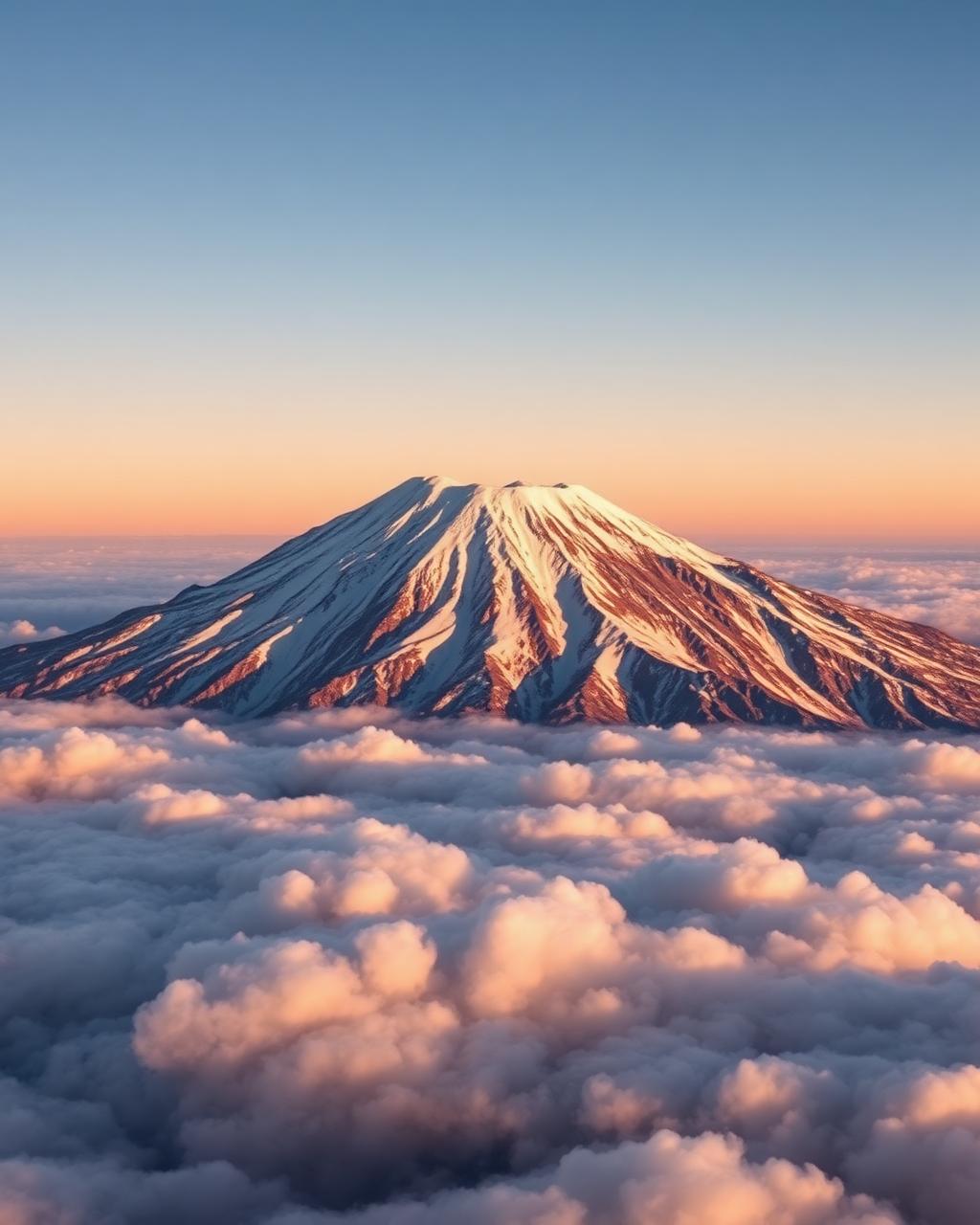
Kilimanjaro crosses several climate zones in less than a week. The answer is not one enormous jacket but a reliable layering system, broken-in footwear and dry spare clothing reserved for the upper mountain.
Your clothing system
Build from a moisture-managing base layer to an insulating fleece or light down layer, then a waterproof and windproof shell. Summit night may require both insulation layers together.
Pack gloves in two weights, warm headwear, a sun hat and clean thermal layers that remain sealed until high camp.
- Two or three quick-dry walking tops
- Thermal top and bottom
- Fleece plus insulated jacket
- Waterproof jacket and trousers
- Warm gloves with waterproof over-mitts
Footwear and daily equipment
Use waterproof hiking boots that have already completed several long walks. Pair them with tested hiking socks and carry blister treatment in your daypack.
Trekking poles reduce strain on long descents. A headlamp with spare batteries is essential for summit night, while sunglasses and high-protection sunscreen matter on exposed slopes.
- Broken-in boots and camp shoes
- Trekking poles
- Headlamp and spare batteries
- Sunglasses, sunscreen and lip protection
- Reusable water capacity prescribed by your operator
What goes where
Porters carry the main duffel within regulated weight limits; you carry water, rainwear, medication, valuables and the layers needed that day. Keep electronics and sleeping clothes in waterproof liners.
Request the final operator equipment list before buying. Quality sleeping bags, down jackets and poles can often be rented, saving luggage and cost.
Kilimanjaro, Planned Properly
Plan My Kilimanjaro Climb
Share your dates and experience level — we'll recommend a route and acclimatisation profile, and can add a safari or Zanzibar recovery afterwards.
Inspired by: The complete Kilimanjaro packing list: layers, boots and summit essentials