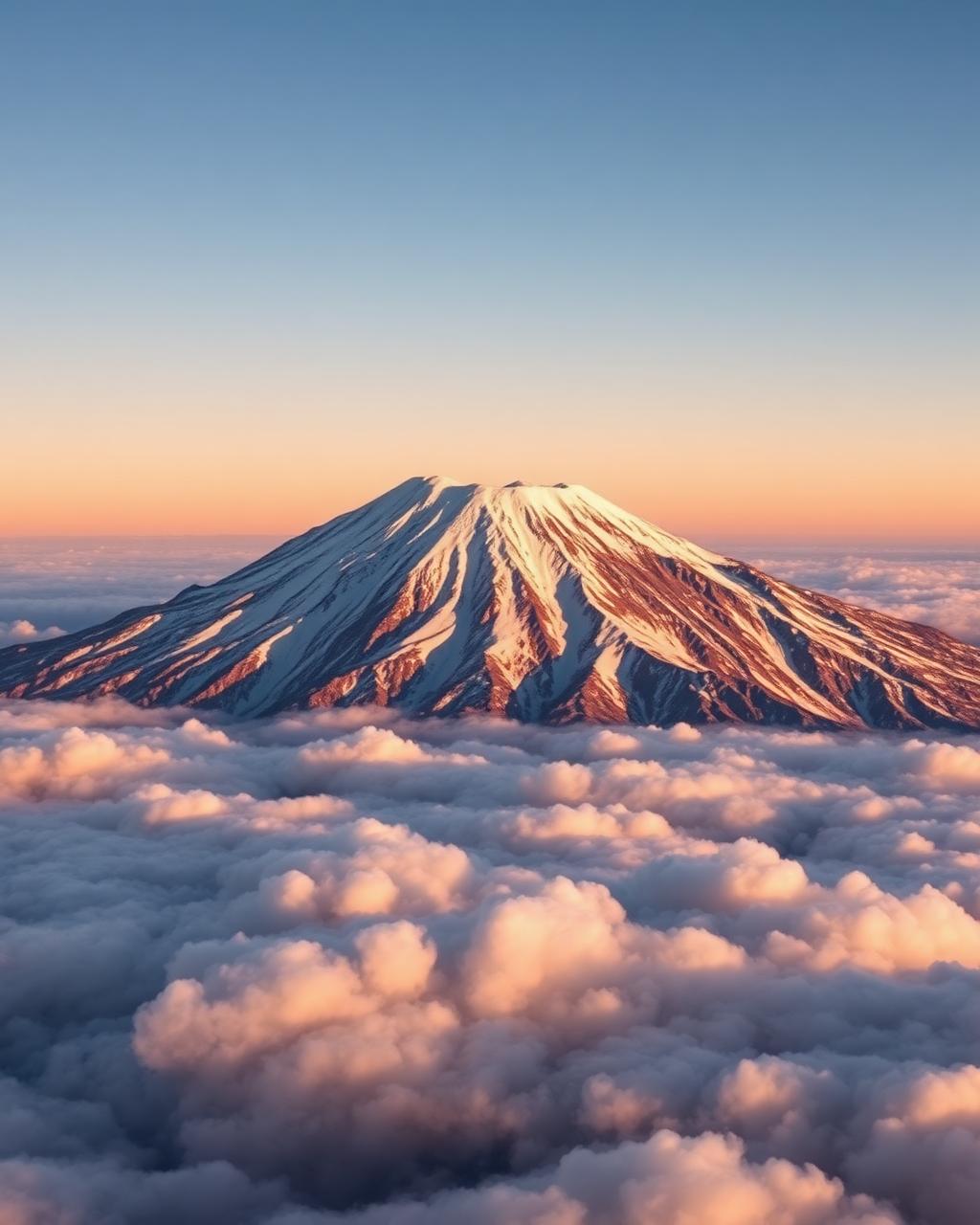
A Kilimanjaro price is the sum of park charges, a large professional crew, food, transport, safety systems and equipment used far from a road. Comparing quotes only by the final number can hide the parts that matter most to welfare and safety.
The costs shared by every responsible climb
Park entry, camping or hut charges, rescue fees and taxes form a substantial fixed base. Route length increases these charges but also gives your body more acclimatisation time.
Transfers, mountain meals, tents, water treatment and group safety equipment should be stated clearly rather than appearing as surprises.
- Park and conservation charges
- Licensed guide and mountain crew
- Meals, tents and treated drinking water
- Pre-climb briefing and gate transfers
- Emergency procedures and evacuation support
Crew welfare is part of your price
A mountain team includes guides, cooks and porters. Fair pay, suitable meals, weight controls and appropriate shelter are not optional luxuries; they are the foundation of a professionally run climb.
Ask how porter loads are checked, how tips are distributed and what happens if a crew member becomes unwell.
Compare value, not shortcuts
A lower quote may use a shorter route, older equipment, fewer guides or thinner food provision. A higher quote may include private toilets, upgraded tents, supplemental safety equipment or a private departure.
Request a line-by-line inclusion list and choose the itinerary that protects acclimatisation first. The summit should never be made cheaper by transferring risk to guests or crew.
Kilimanjaro, Planned Properly
Plan My Kilimanjaro Climb
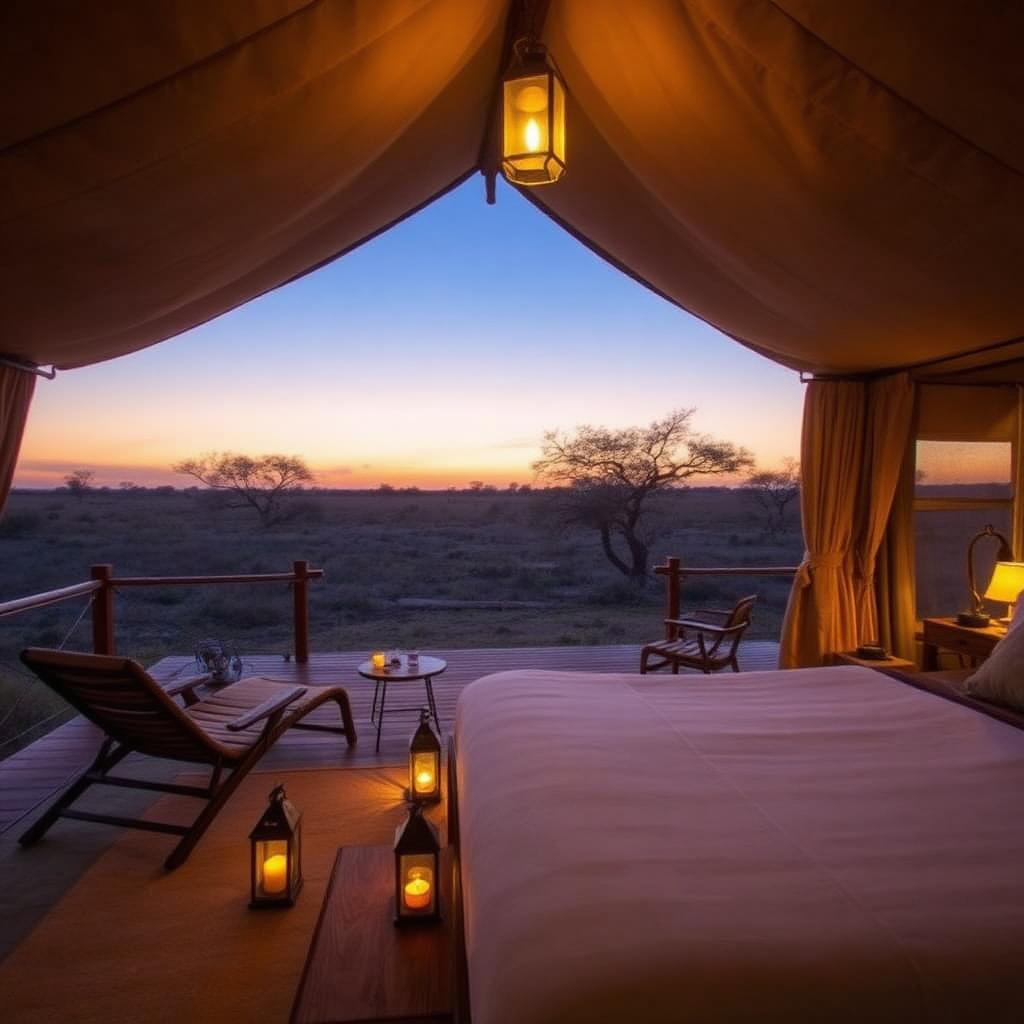
Share your dates and experience level — we'll recommend a route and acclimatisation profile, and can add a safari or Zanzibar recovery afterwards.
Inspired by: How much does it cost to climb Kilimanjaro? What a responsible quote includes