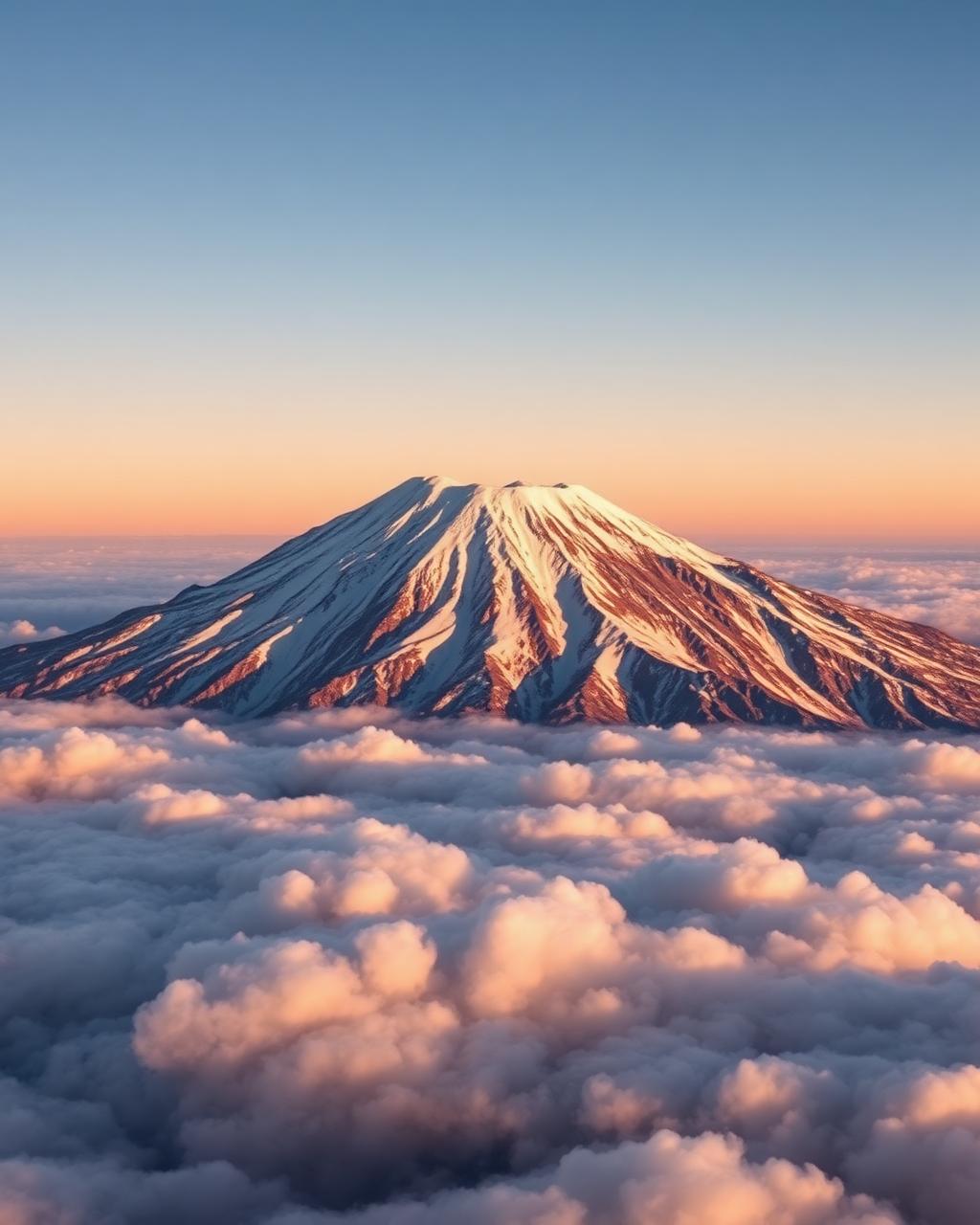
Kilimanjaro is familiar around the world, yet its name resists one neat translation. That uncertainty is part of the story: the mountain sits within a landscape shaped by Chagga communities, Swahili exchange, exploration, conservation and modern livelihoods.
How to pronounce Kilimanjaro
English speakers can approach it as kil-ih-man-JAH-roh, with a light first syllable and emphasis near 'JAH'. Tanzanian speech varies naturally by language and accent, so respectful effort matters more than theatrical perfection.
Why the meaning is debated
Popular explanations connect parts of the name to Swahili and regional languages, but there is no single interpretation accepted by all historians or linguists. Claims that it translates cleanly as one phrase should be treated cautiously.
Local names, colonial maps and oral histories overlap. A good guide leaves room for that complexity rather than turning uncertainty into a tidy legend.
A mountain with communities around it
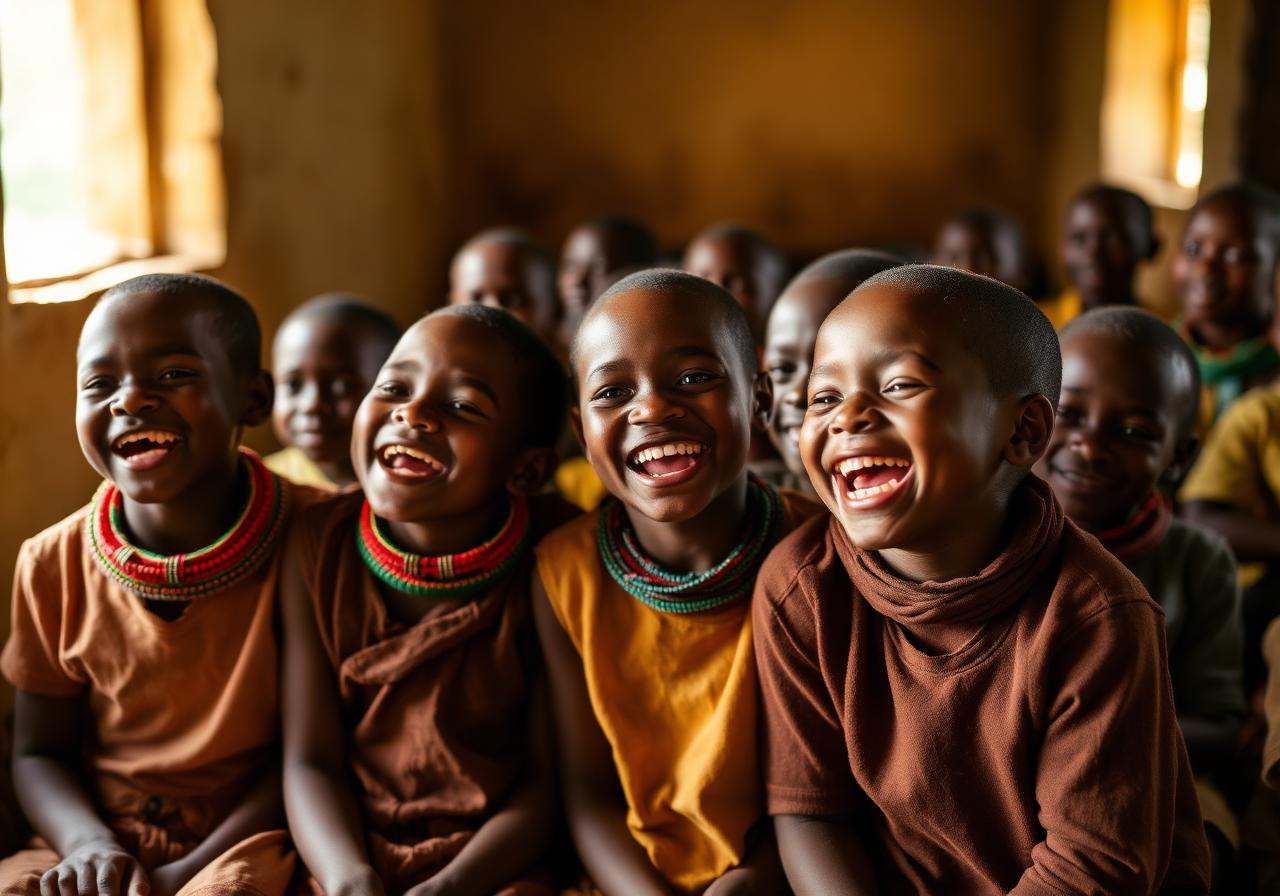
The fertile lower slopes are home to Chagga farms, villages and trading towns. Coffee, bananas and forest water systems tie everyday life to the mountain long before a climber reaches a park gate.
Travelling well means seeing the crew and surrounding communities as part of the journey—not background to a summit attempt.
Kilimanjaro, Planned Properly
Plan My Kilimanjaro Climb
Share your dates and experience level — we'll recommend a route and acclimatisation profile, and can add a safari or Zanzibar recovery afterwards.
Inspired by: Kilimanjaro: pronunciation, possible meanings and the mountain's living story