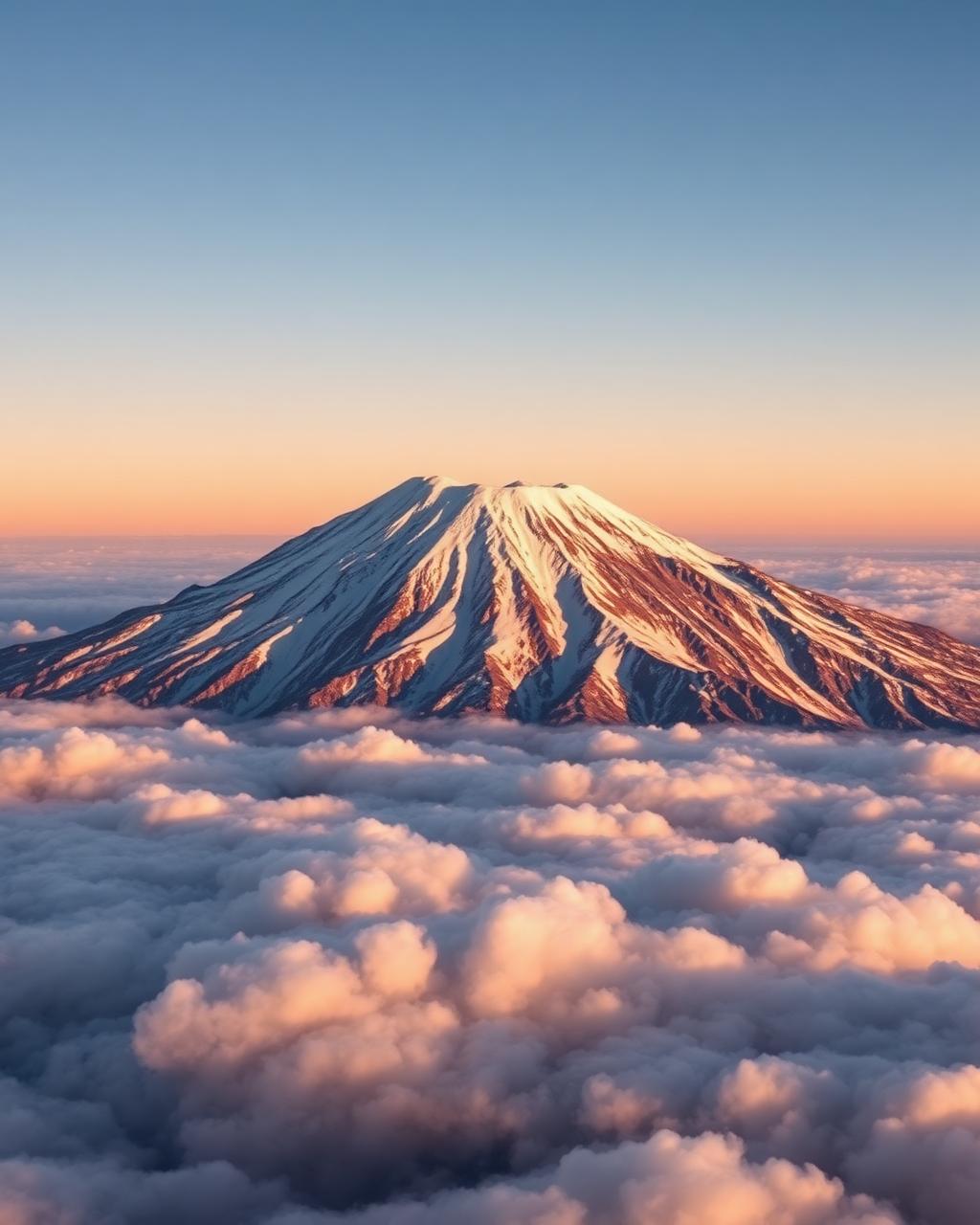
Lists of the world's tallest mountains depend on what is being measured. Kilimanjaro is Africa's highest point and is widely described as the world's highest free-standing mountain, rising dramatically without belonging to a long mountain range.
Height above sea level
The Himalayan giants lead when summit elevation above sea level is the measure. Mount Everest is the familiar highest point, while Kilimanjaro's Uhuru Peak reaches 5,895 metres.
That figure still places a non-technical trekking summit at an altitude where careful acclimatisation is essential.
Free-standing relief
Kilimanjaro's volcanic massif rises from surrounding plains rather than from a broad high mountain chain. Kibo, Mawenzi and Shira record different chapters of its volcanic formation.
The visual transition from cultivated foothills to forest, heath, alpine desert and summit ice creates the sense of crossing a continent in a few days.
Accessible does not mean easy
No ropes are normally required on the standard trekking routes, which makes the mountain accessible to determined walkers. Altitude, cold and consecutive days remain serious challenges.
- Choose seven or more days where possible
- Train for endurance rather than speed
- Follow guide-led health checks
- Treat reaching the summit as secondary to returning safely
Kilimanjaro, Planned Properly
Plan My Kilimanjaro Climb
Share your dates and experience level — we'll recommend a route and acclimatisation profile, and can add a safari or Zanzibar recovery afterwards.
Inspired by: The world's tallest mountains—and what makes Kilimanjaro exceptional