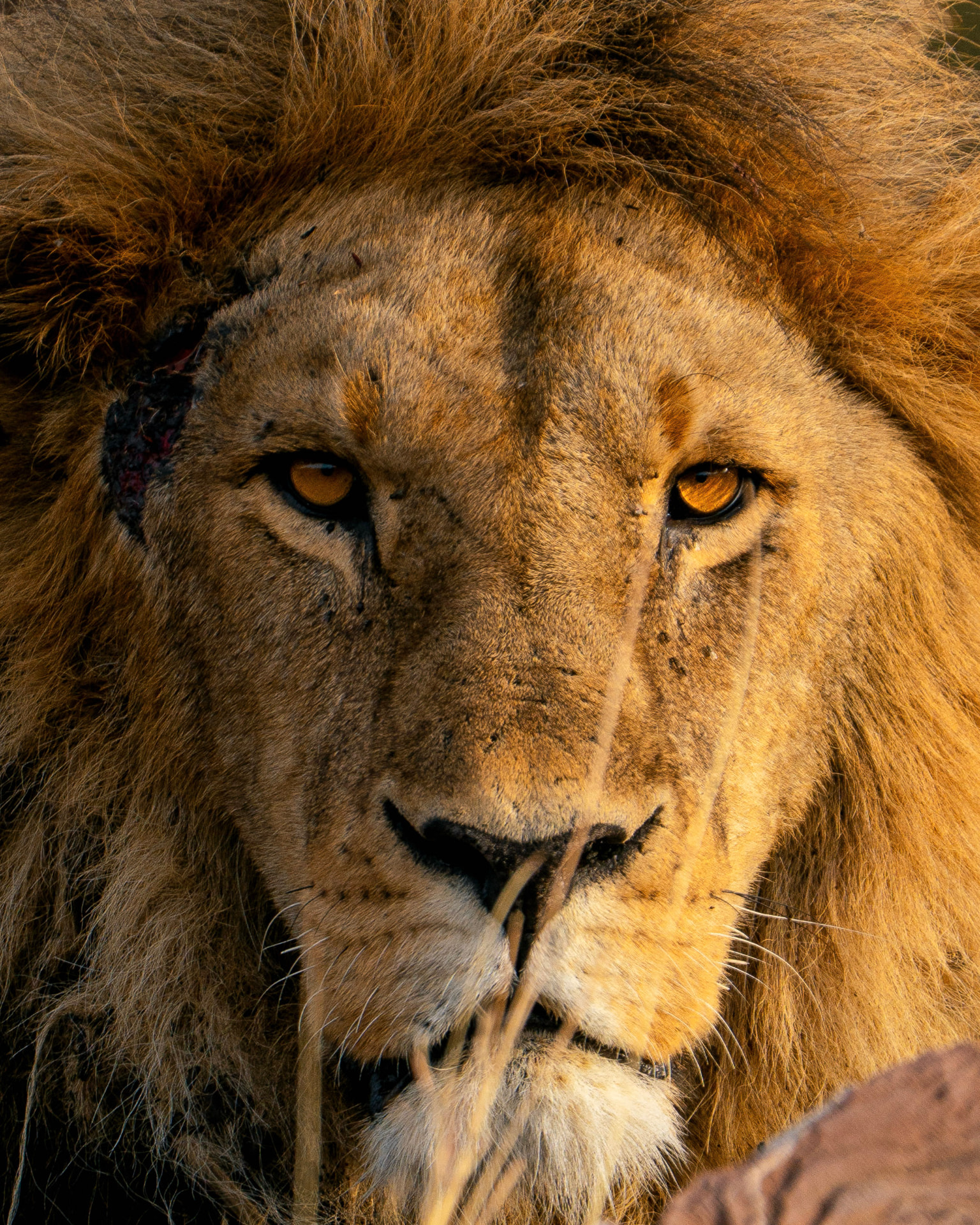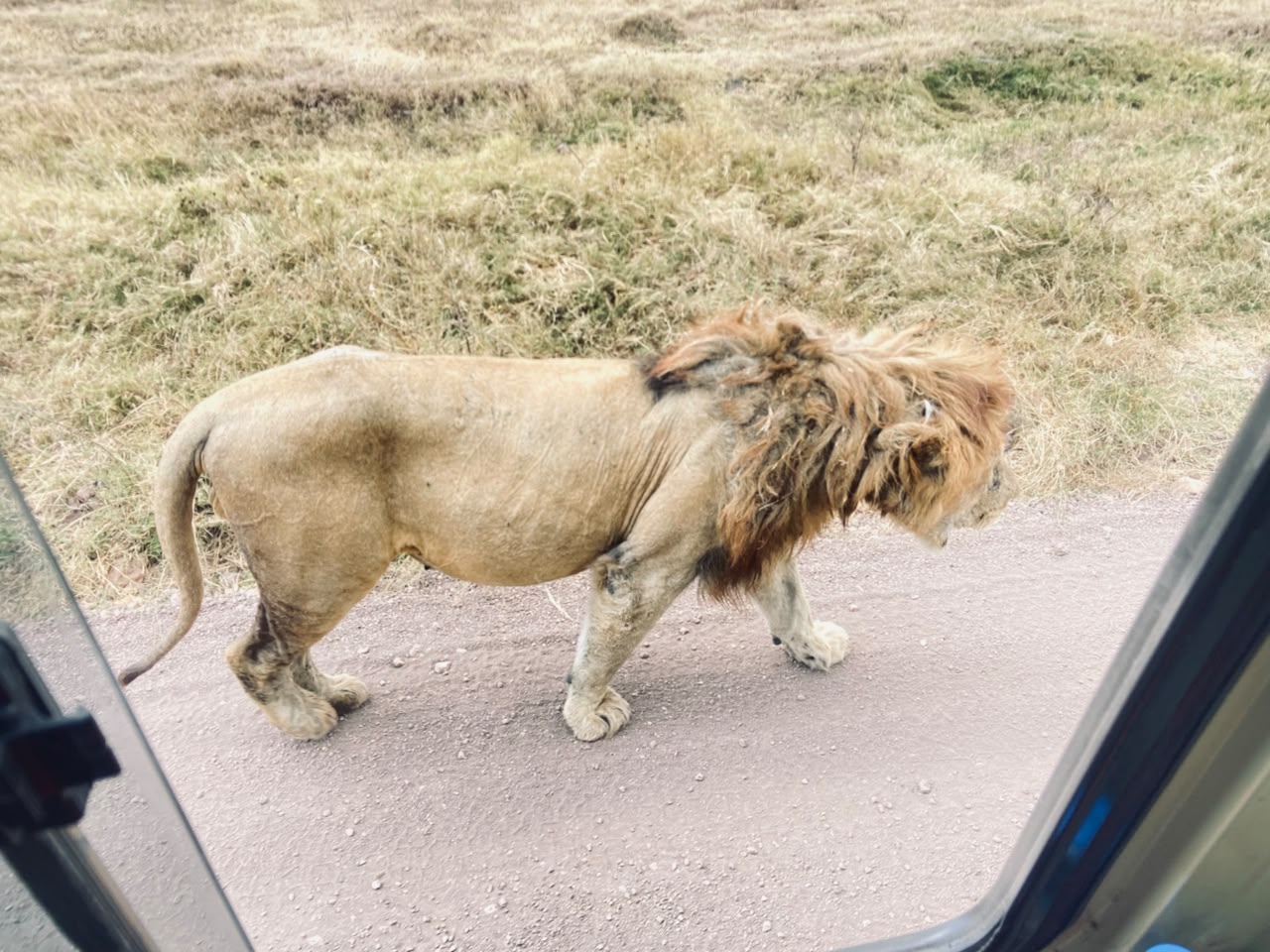
Lions are capable of very fast short bursts, but they are not built to chase prey across the plains for long distances. Their real advantage is the ability to wait, position and close the gap before the prey understands the danger.
A sprinter, not a distance runner
Published estimates of lion speed vary, and a precise maximum in the wild is difficult to measure. What matters on safari is duration: a lion's explosive acceleration can only be sustained briefly.
Successful hunts usually begin close to prey, using grass, darkness, riverbanks or the shape of the land as concealment.
How a pride creates an advantage
Lionesses may spread out so one animal pushes prey toward another, but hunts are not perfectly choreographed. Individuals react to wind, cover and the movement of the herd.
Males also hunt, especially alone or in coalitions, using their power to target large prey or ambush in dense cover.
How to observe without changing the outcome
Predator hunts are sensitive moments. Engines, headlights, crowding and poor positioning can interrupt natural behaviour.
A patient guide keeps distance, limits movement and lets the scene unfold. The finest sighting is one in which the animals behave as if the vehicle is not there.
Wildlife-Led Journeys
Plan a Wildlife-Focused Safari
Tell us which animals and moments matter most — we'll shape parks, seasons and camps around your best chance of seeing them.
Inspired by: How fast can a lion run—and how does a lion actually hunt?