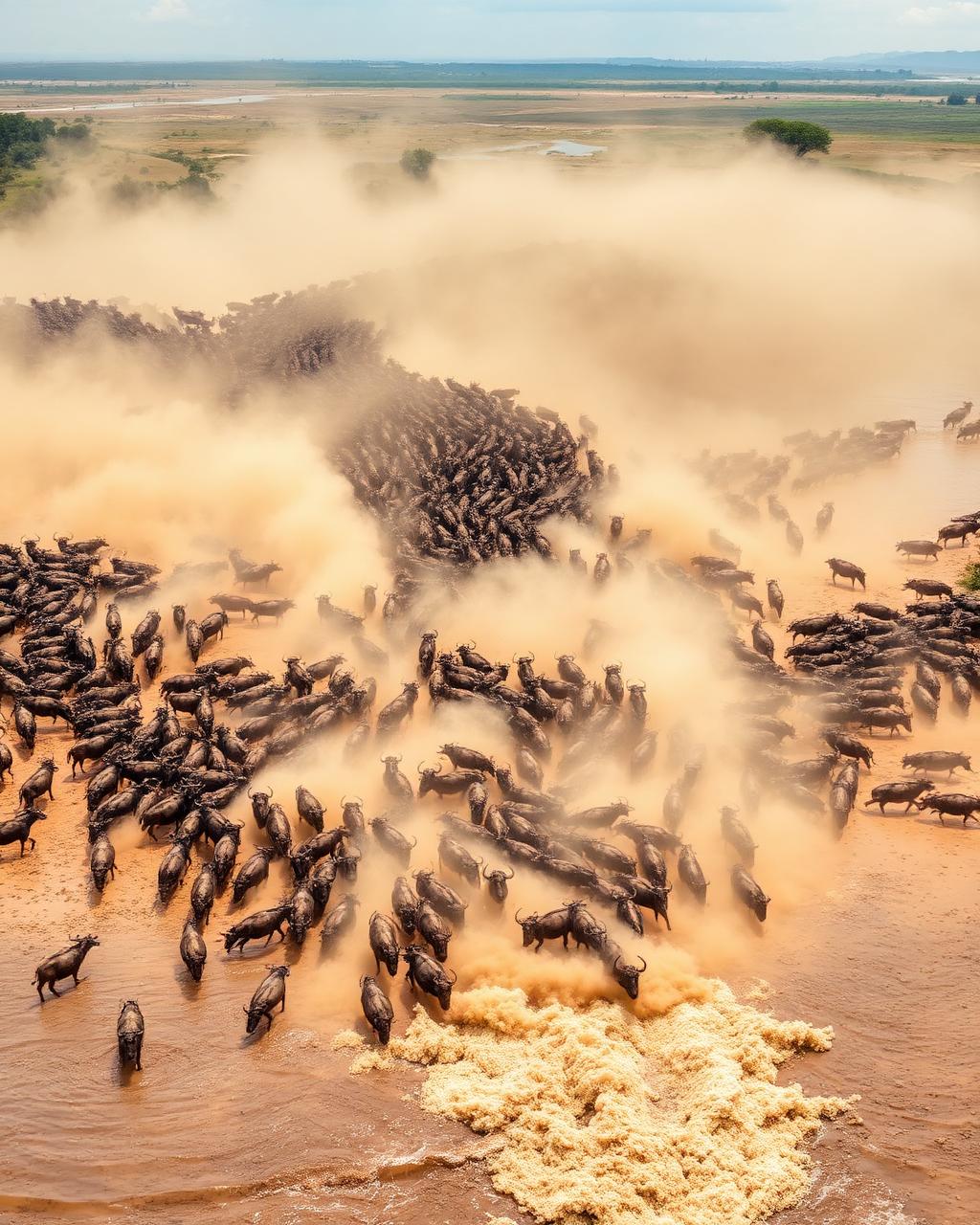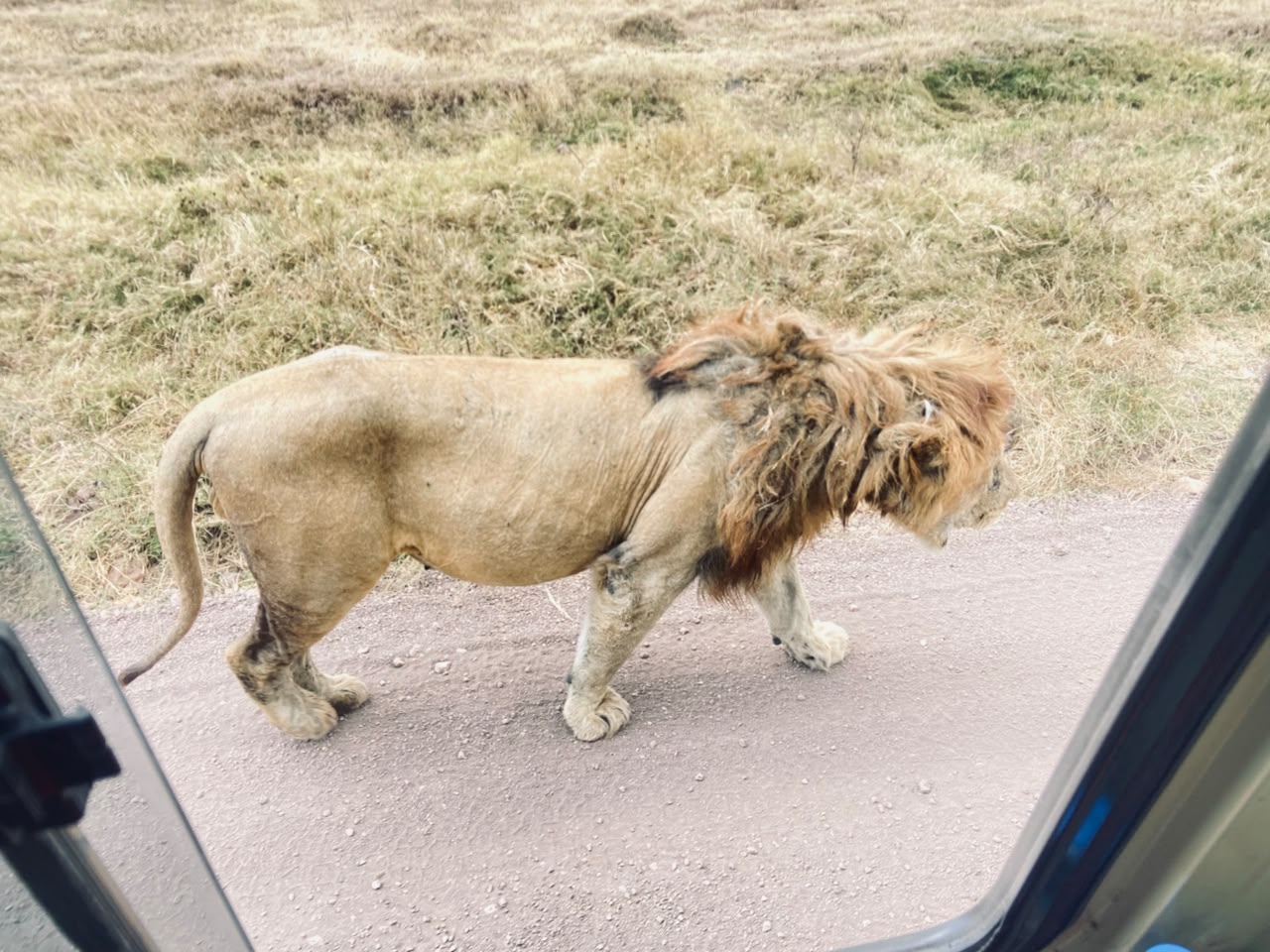
The Serengeti's predators do not disappear outside one perfect month. Resident territories remain active throughout the year, while the moving herds change where food is most concentrated and how open the landscape feels.
Green season on the southern plains
Short grass and newborn wildebeest make the southern plains especially dynamic during the calving period. Cheetahs benefit from open sightlines, while lions and hyenas patrol the edges of dense herds.
Rain can be brief and local, leaving vivid skies and excellent photographic colour.
Dry-season concentration
As seasonal water diminishes, prey gathers near rivers and permanent sources. Tracks become easier to read and thinner vegetation can reveal animals that were hidden in greener months.
The central Serengeti remains dependable because its river valleys support resident prey and established leopard and lion territories.
Choose a region, not a promise
Predator behaviour cannot be scheduled. Select camps based on seasonal ecology, allow at least two nights in northern migration areas, and give a skilled guide time to interpret fresh signs.
- South and Ndutu: calving-season action
- Central Seronera: reliable resident predators
- West and north: predators responding to migrating herds
- Night drives: only in areas where regulations permit
Wildlife-Led Journeys
Plan a Wildlife-Focused Safari
Tell us which animals and moments matter most — we'll shape parks, seasons and camps around your best chance of seeing them.
Inspired by: Predators of the Serengeti: what changes through the seasons