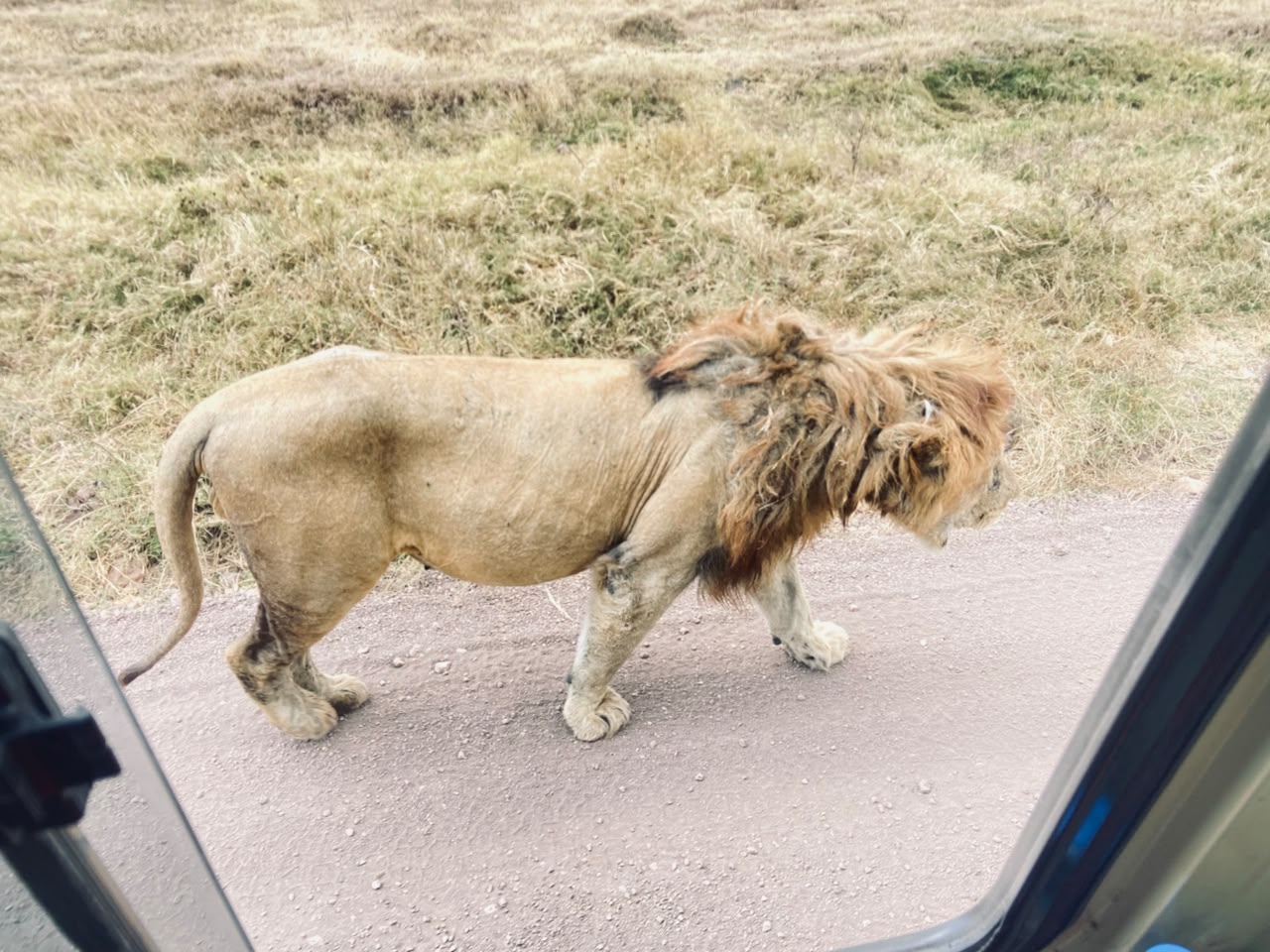
The Serengeti becomes richer when every hoofed animal is not simply called an antelope. Body size, horn shape, feeding height and social behaviour reveal how many species share the same grassland without living the same life.
Gazelles of the open plains
Thomson's gazelles are compact, quick and marked by a bold dark side stripe. Grant's gazelles are larger and paler, with a white rump extending above the tail.
Both favour open country, but their diets and tolerance for dry conditions differ, reducing direct competition.
Topi, hartebeest and eland
Topi often stand on termite mounds as sentinels and show a dark bluish sheen on their legs. Coke's hartebeest have a long face and sloping back, built for efficient distance running.
Eland are the world's largest antelope, yet can move with surprising grace. Their loose social groups range across woodland and grassland.
Watch behaviour, not only markings
A guide may identify a species first by posture, habitat or alarm call. Spend time watching where an animal feeds and how it responds to danger.
- Look at horn shape and body profile
- Notice whether the animal grazes or browses
- Listen for snorts, whistles and alarm calls
- Use binoculars before asking the vehicle to move closer
Wildlife-Led Journeys
Plan a Wildlife-Focused Safari
Tell us which animals and moments matter most — we'll shape parks, seasons and camps around your best chance of seeing them.
Inspired by: Beyond wildebeest: an antelope guide to the Serengeti