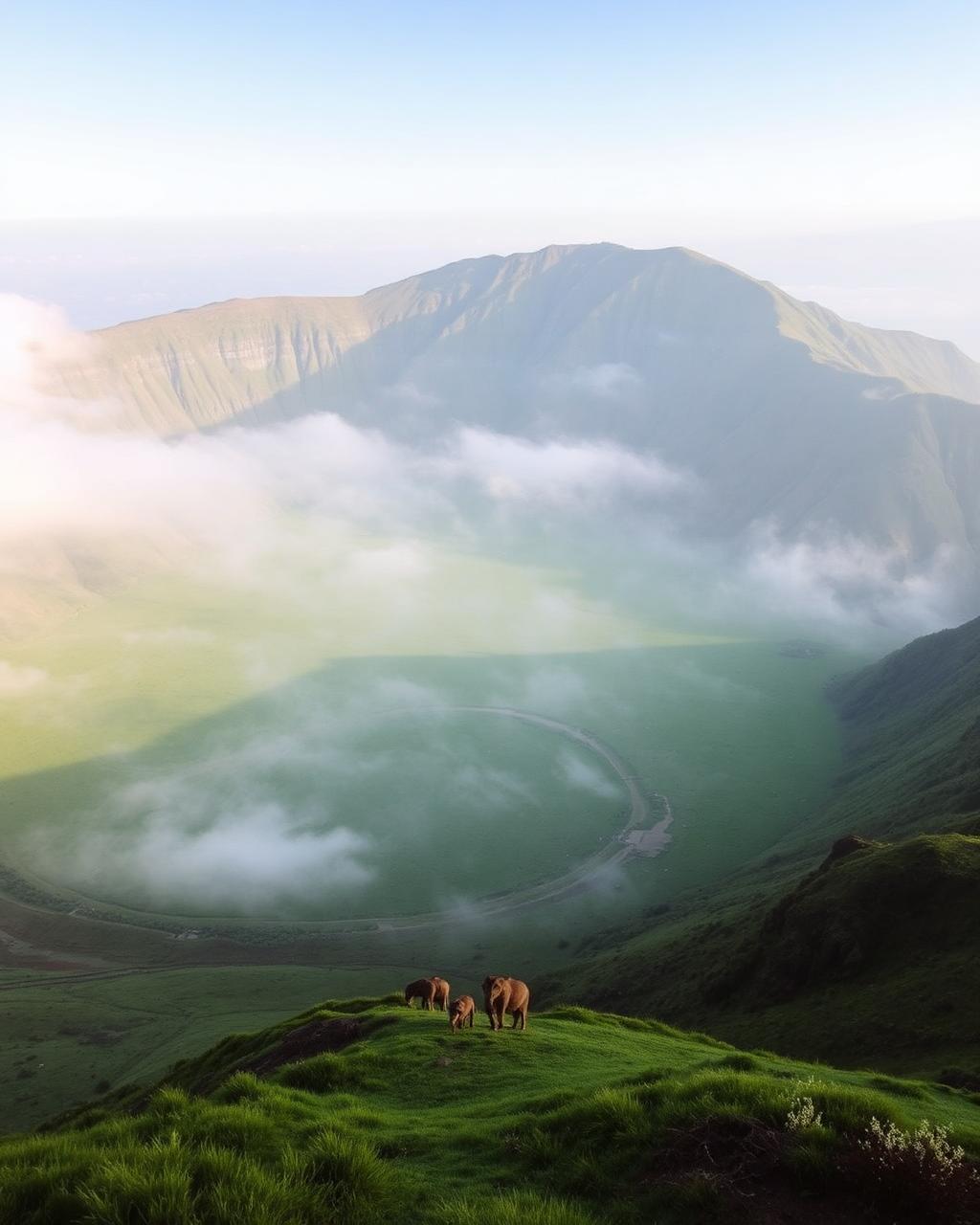
A walking safari is not designed to approach big animals as closely as possible. It is an education in awareness: how wind carries scent, how tracks hold time, and how small details connect the wider ecosystem.
The experience is in the detail
On foot, dung, seeds, bird calls and termite architecture become the story. Your guide explains signs a vehicle would pass in seconds.
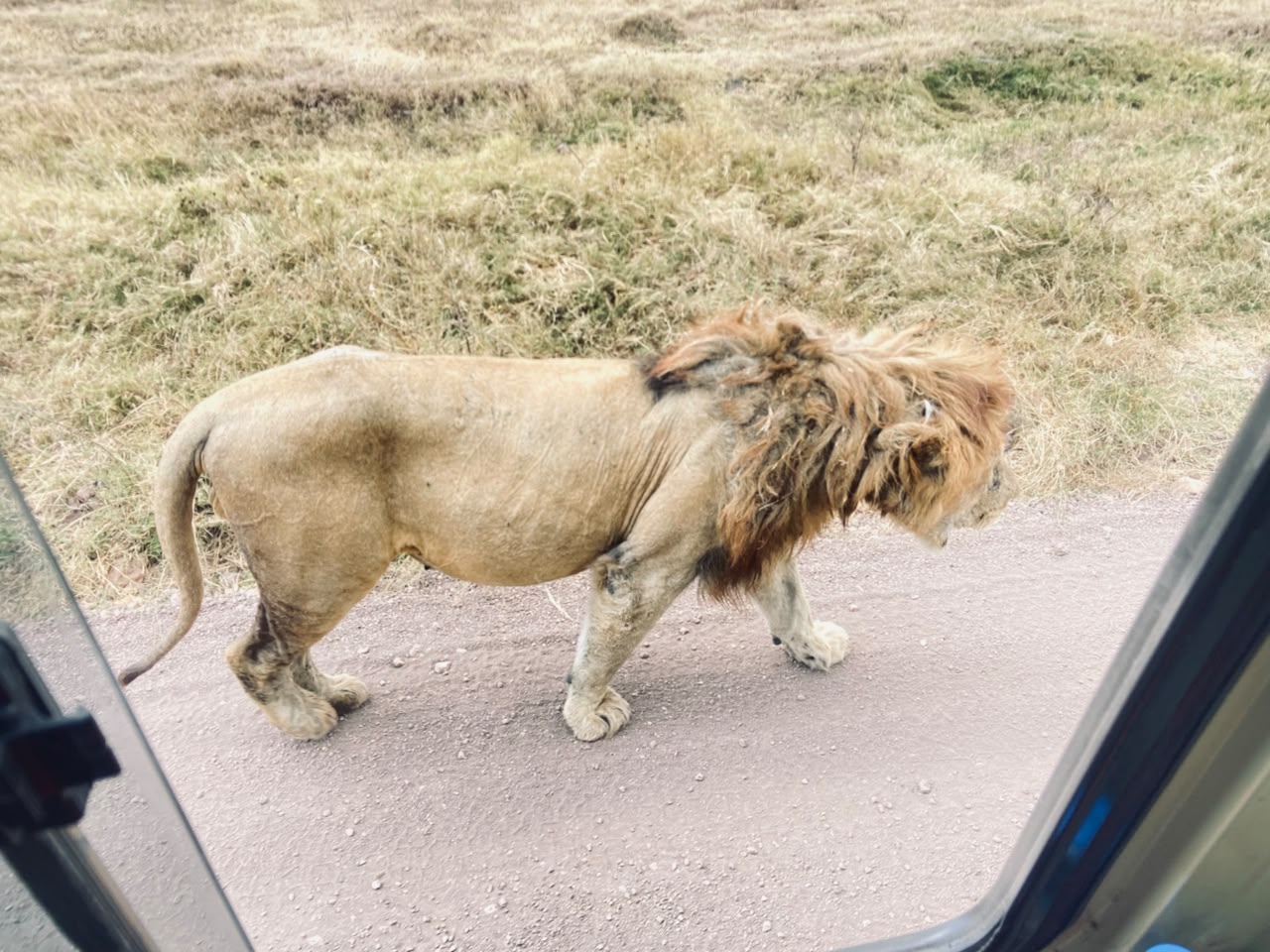
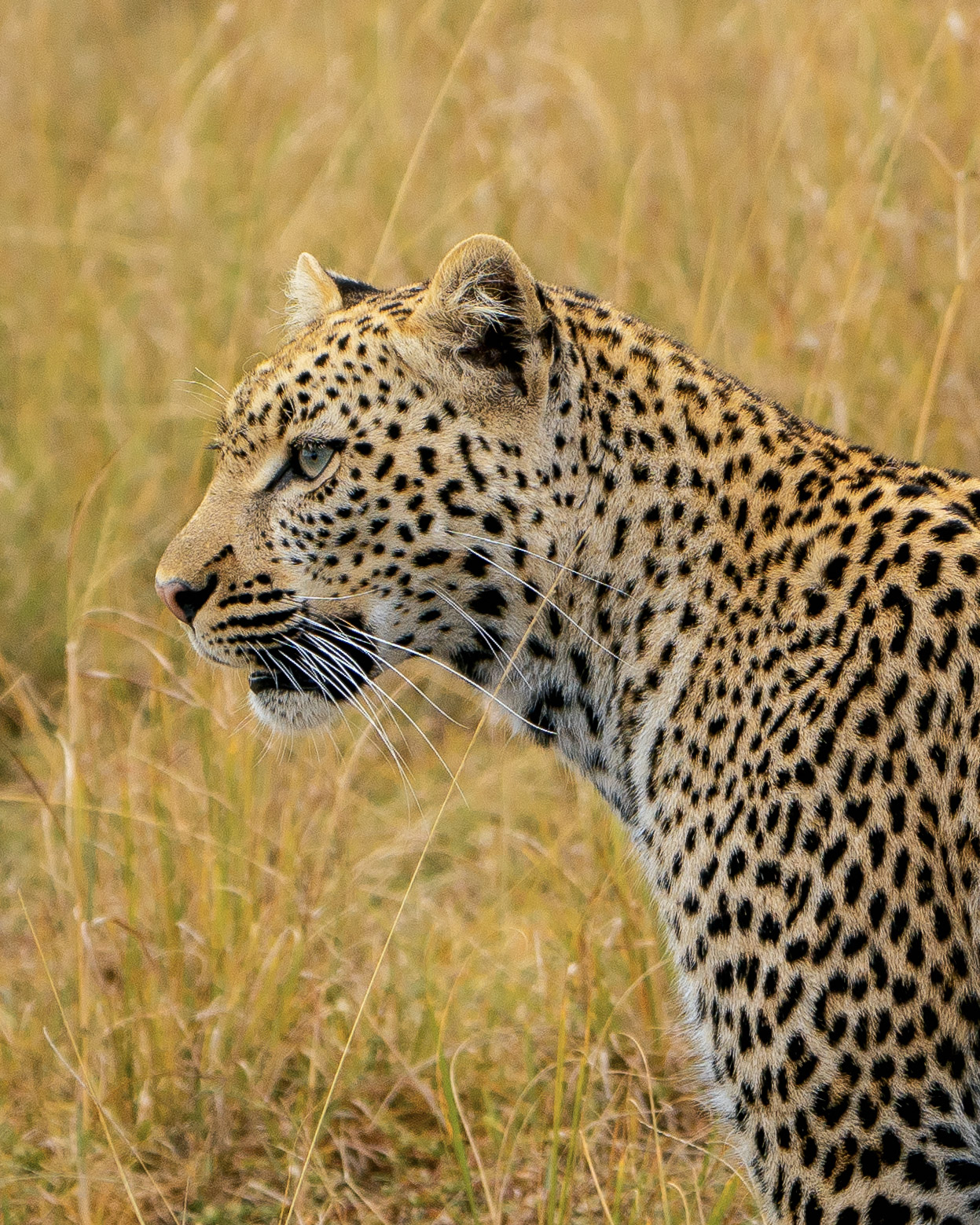
Wildlife encounters happen, but space and safety come before proximity. The slower rhythm is the luxury.
How safety is managed
Walks operate only where regulations allow and are led by qualified professionals, sometimes with an armed ranger. The briefing covers spacing, silence and exactly how to respond to instructions.
Age limits and walking distances vary by area and operator, so these are confirmed before booking.
Choosing the right walk
A short nature walk near camp suits most guests. Longer wilderness walks demand fitness, comfort with simple facilities and more time.
- Wear closed shoes and neutral clothing
- Carry water but keep hands free
- Do not wander from the group
- Tell the guide about mobility or medical concerns
Signature Moments
Build This Experience Into My Trip
Balloon flights, walking safaris, bush dinners — we'll weave the experiences you love into a day-by-day itinerary.
Inspired by: Walking safaris in Tanzania: reading the bush at nature's pace