Almost every safari company now calls itself sustainable. Very few can answer specific questions about it. These are the questions we think travellers should ask us and every other operator.
Who is employed, and on what terms
Ask whether guides are locally hired and permanently employed, and whether camp staff come from surrounding communities. Tourism's biggest measurable benefit in Tanzania is stable, skilled, well-paid work.
Where the land fees go
Camps on community land or in wildlife management areas pay lease and bed-night fees directly to local authorities and villages. Ask which of your camps sit on such land, and what the fees fund.
Behaviour in the field
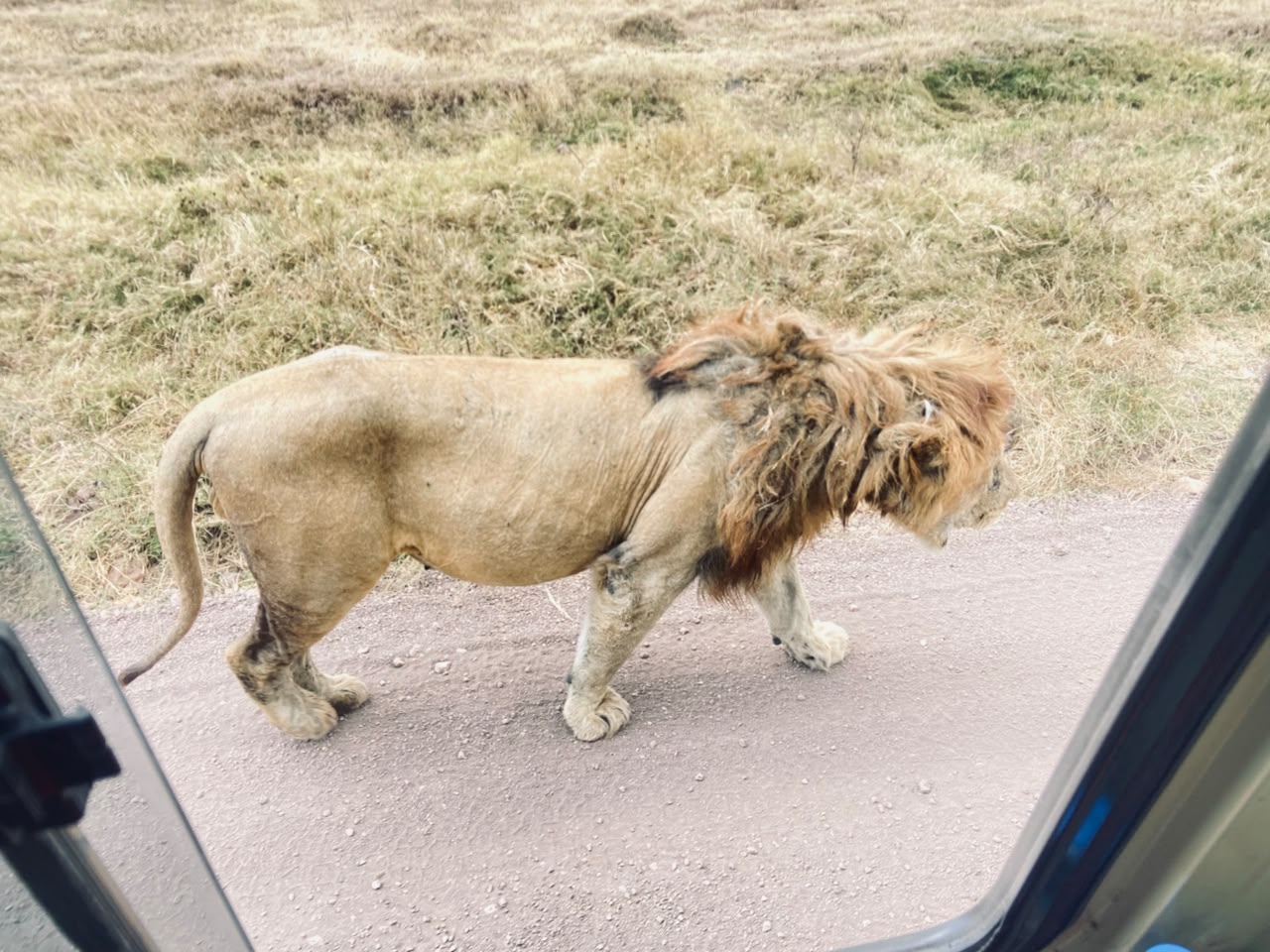
Responsible operators keep the required distance from wildlife, do not off-road in restricted areas, cap vehicles at sightings, and never bait or crowd predators. Guides are the front line of this, and their standards are visible within an hour of your first drive.
- Fixed vehicle limits at a sighting
- No off-road driving where it is prohibited
- No feeding, baiting or calling of animals
- Waste carried out, water use monitored in camp
Culture without a stage
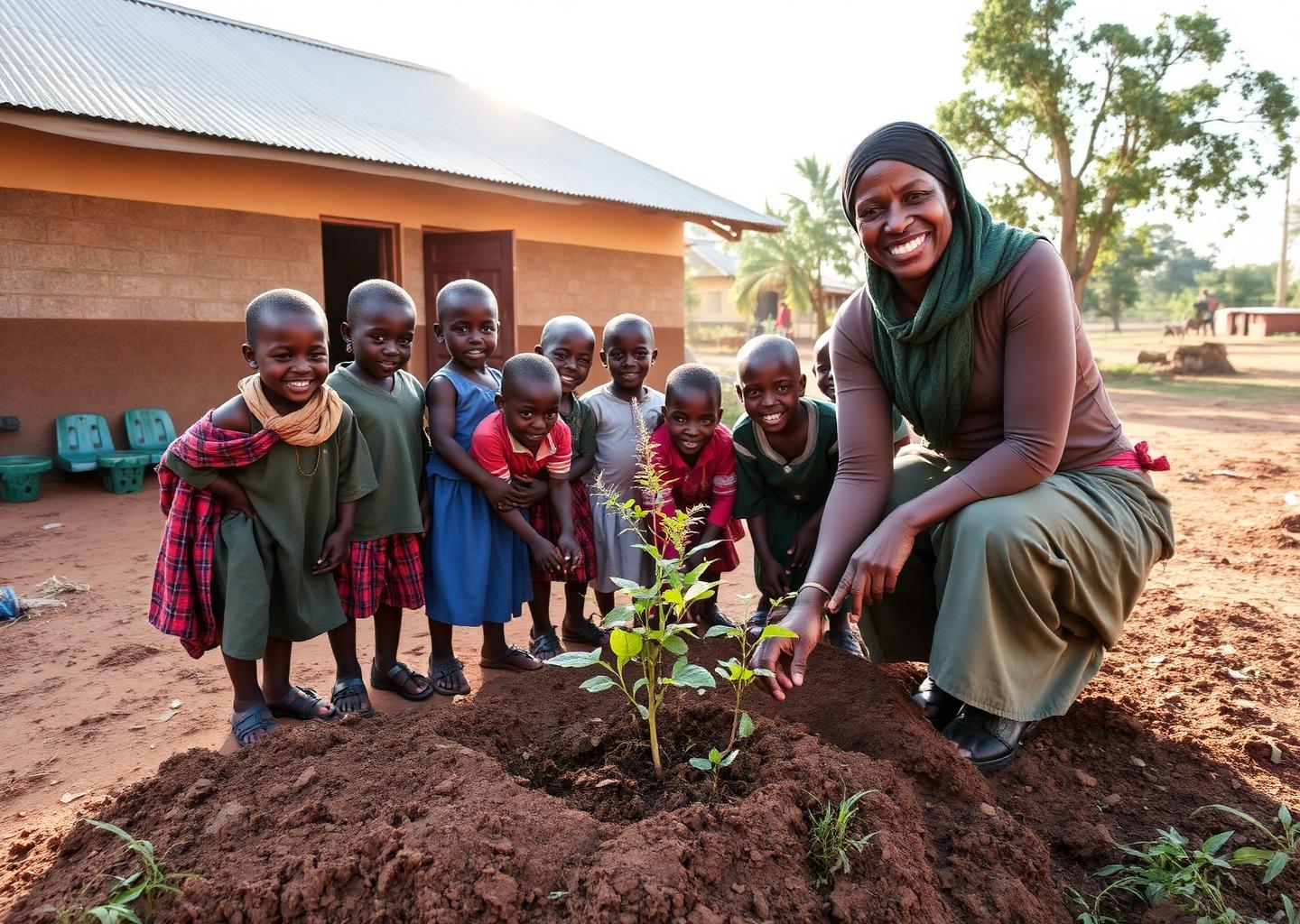
A good community visit is arranged with the community, paid transparently, small in size, and honest about what it is. If it feels like a performance for a bus, it usually is.
Tailor-Made Tanzania
Start Planning This Journey
Tell us your dates and who is travelling — a safari consultant will reply within 24 hours with a day-by-day plan inspired by this guide.
Inspired by: What makes a safari genuinely responsible