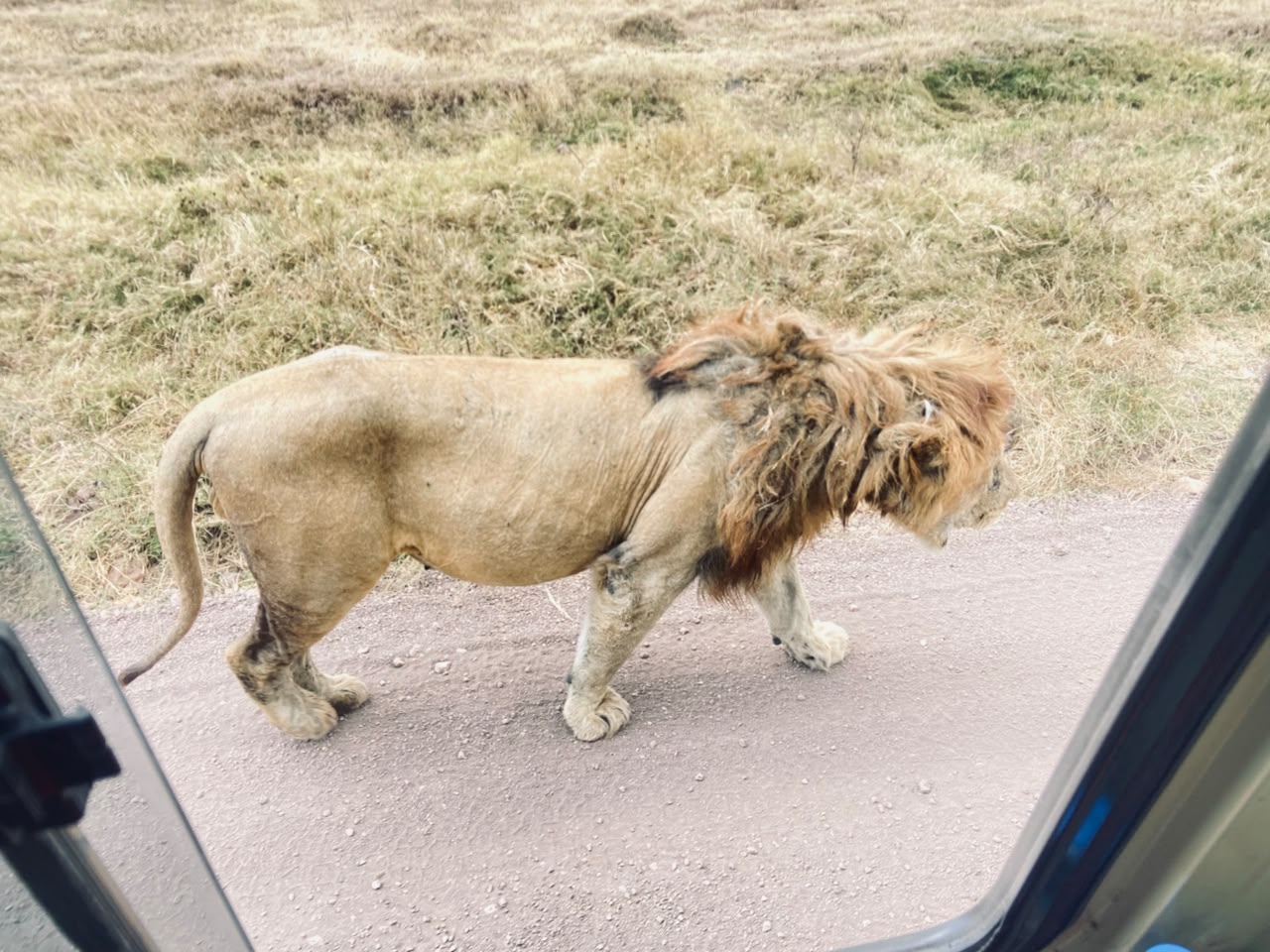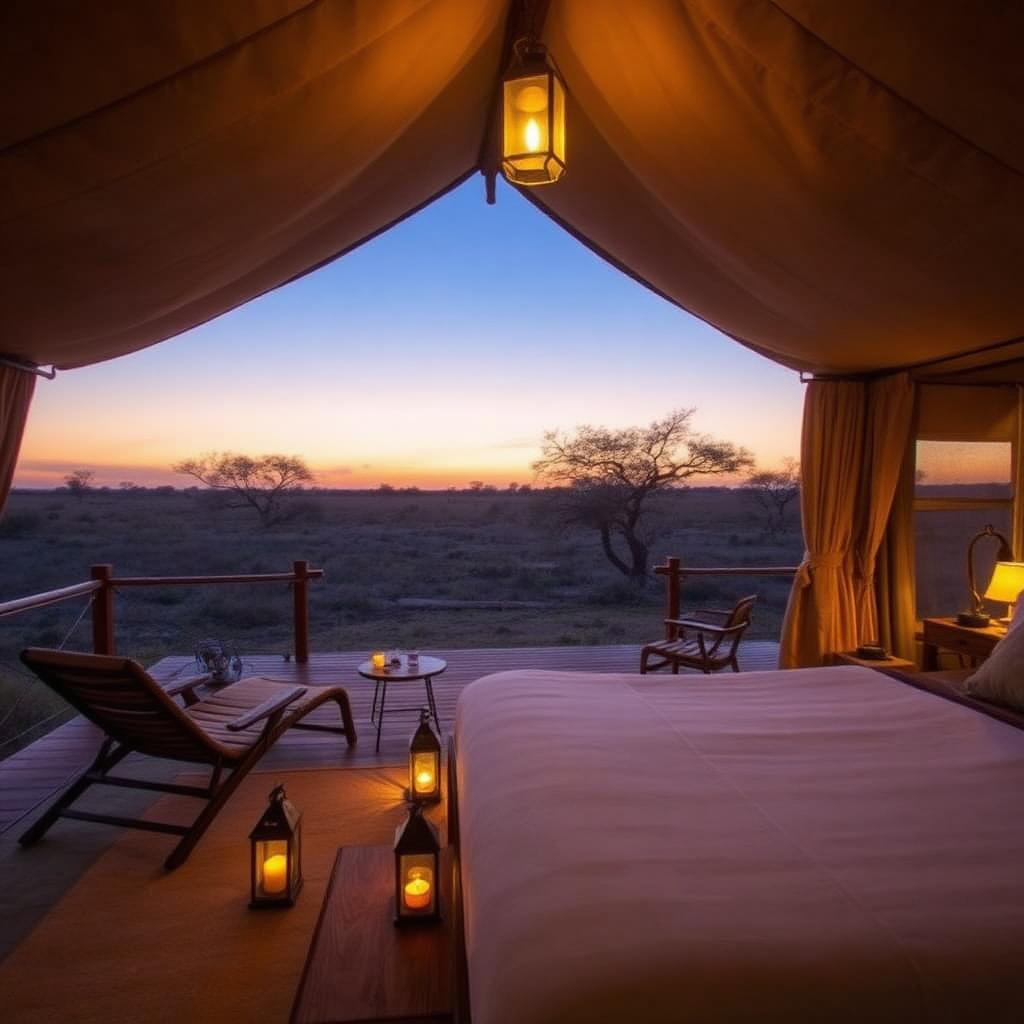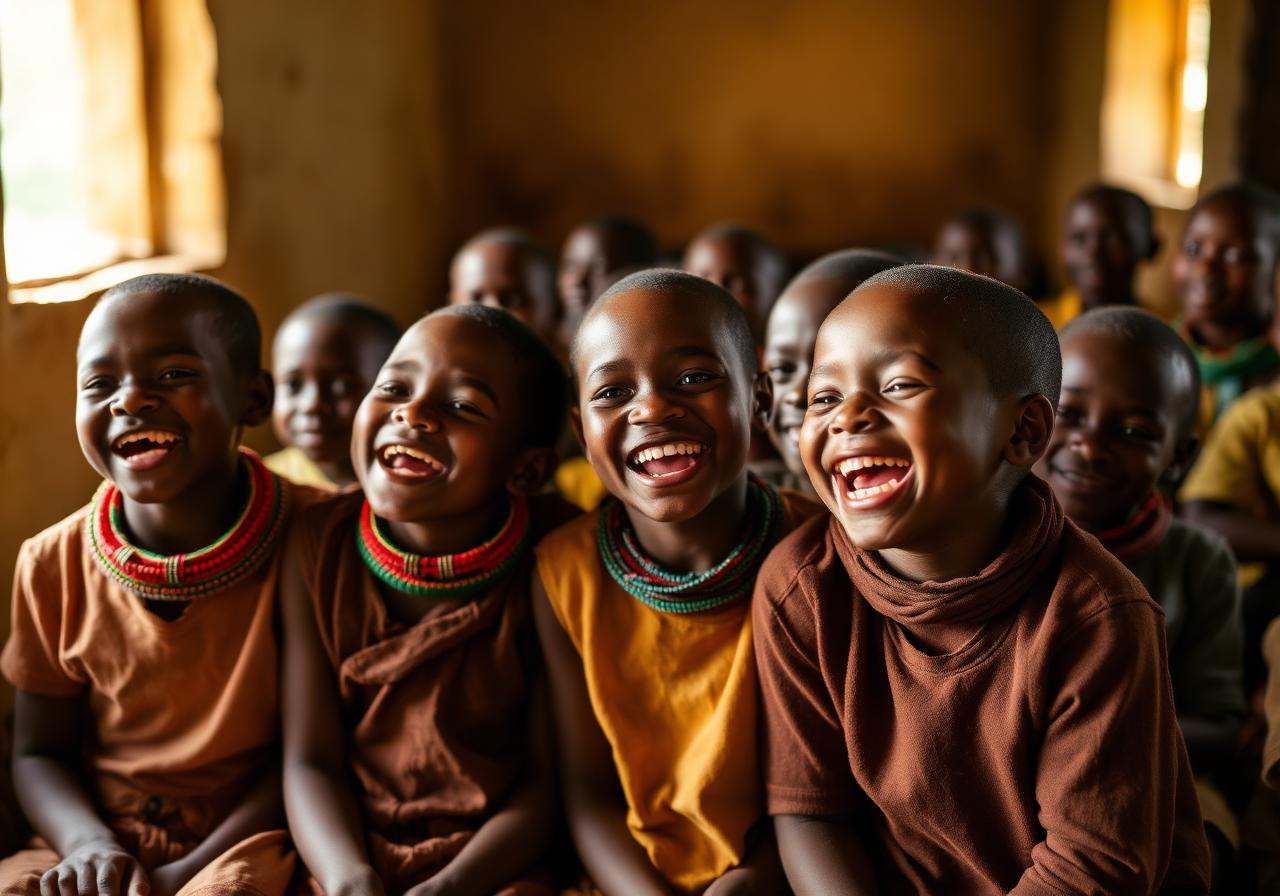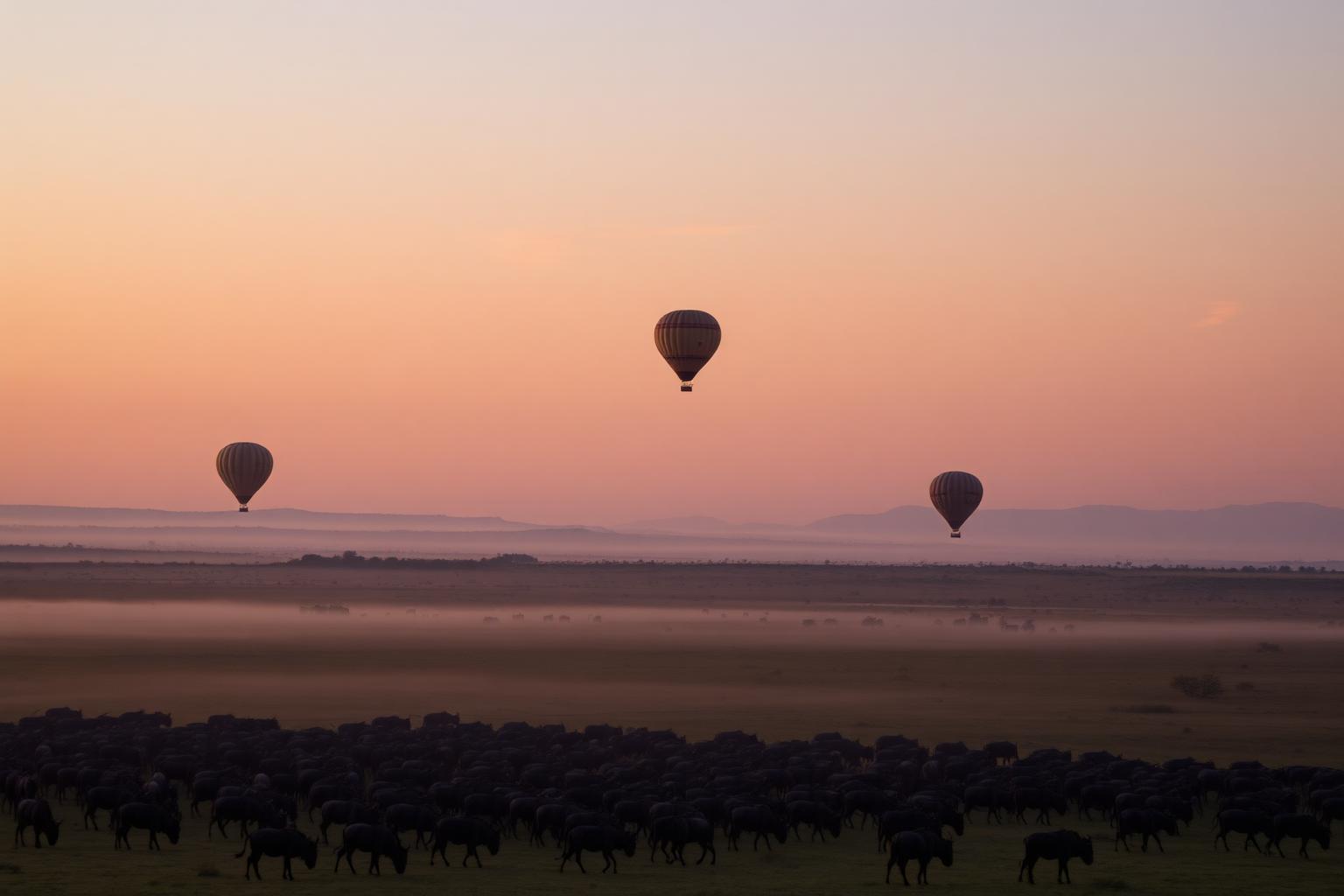
You do not need professional equipment to photograph a safari well, but you do need the right habits. Most disappointing safari photos come from shooting at the wrong time of day, from an unstable position, or from being in a hurry.
A realistic kit
One camera body with a 100-400mm zoom covers the vast majority of wildlife. Add a wide lens for landscapes and camp life. Phones do surprisingly well on scenery and terrible on distant animals.
- Zoom to 400mm — longer is nice, not necessary
- Bean bag or a folded jacket for resting the lens on the roof frame
- Twice the memory cards and batteries you think you need
- Dust blower and a lens cloth — the plains are fine dust
Light, not luck
The first ninety minutes after sunrise and the last before sunset carry the warm, low light that makes safari images. Midday is for lunch, rest and camp.
Work with your guide
Tell your guide you are photographing. A good guide will position the vehicle for the sun, cut the engine, and hold at a sighting instead of moving on — the single biggest improvement available to you.
Etiquette that protects the animals
Stay in the vehicle, keep voices low, never ask a driver to leave the track, and give hunting predators space. A picture is never worth altering an animal's behaviour.
Tailor-Made Tanzania
Start Planning This Journey
Tell us your dates and who is travelling — a safari consultant will reply within 24 hours with a day-by-day plan inspired by this guide.
Inspired by: Safari photography: gear, settings and etiquette